Jun 18, 2026
Blog

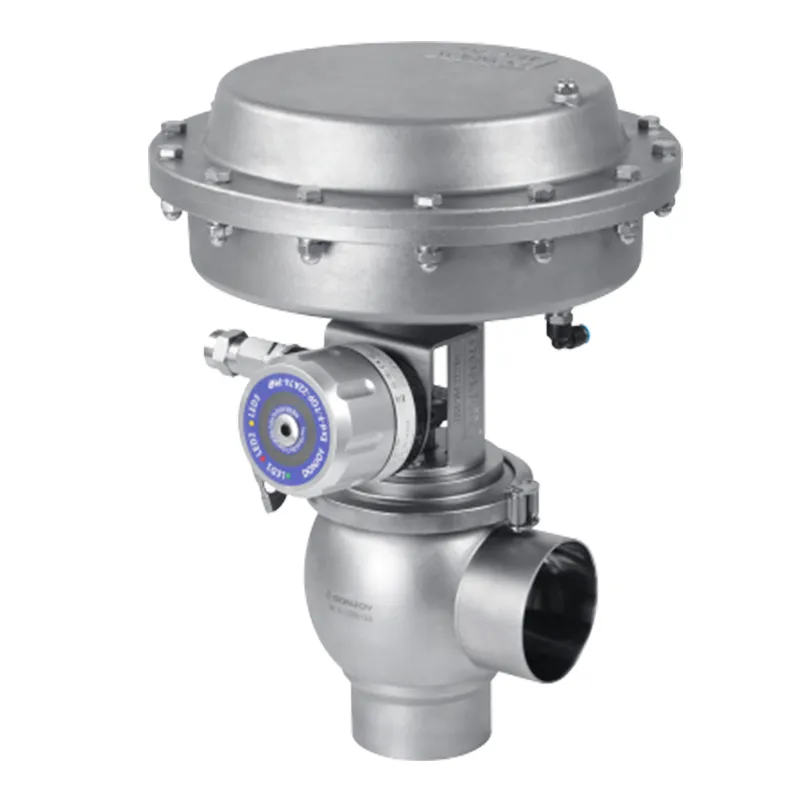
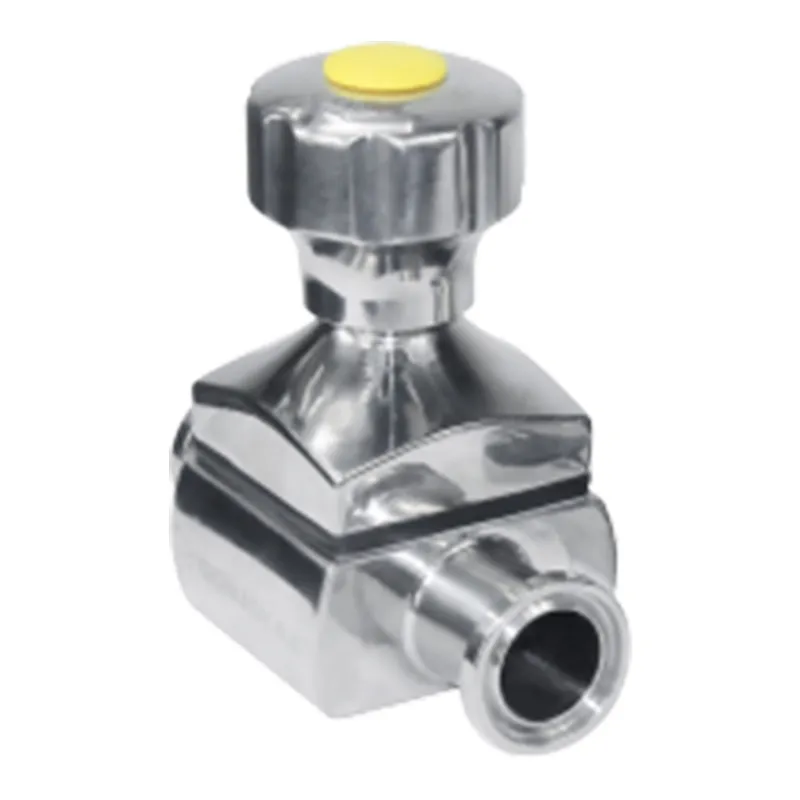
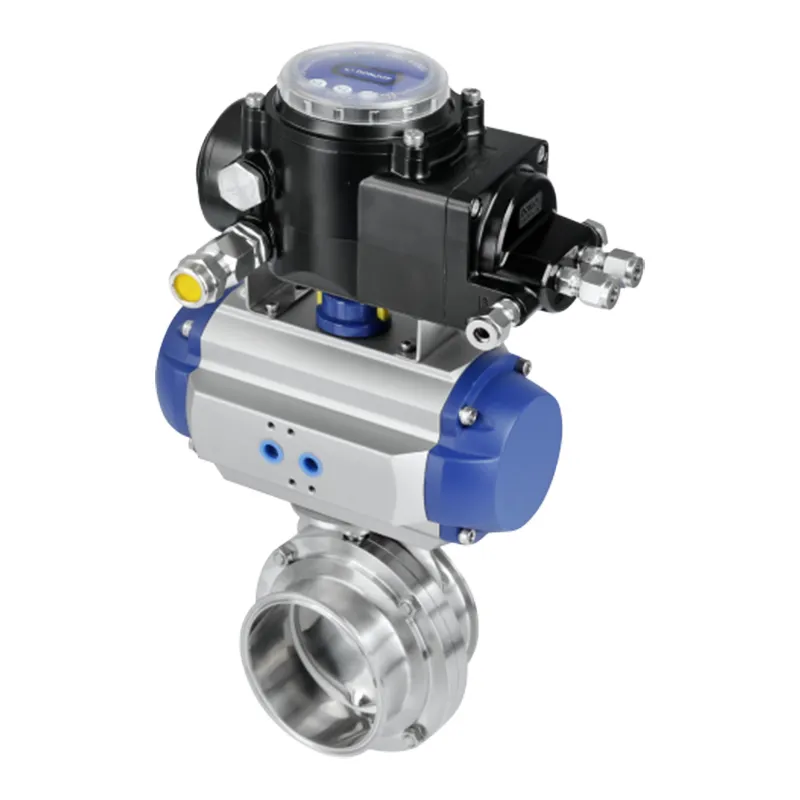
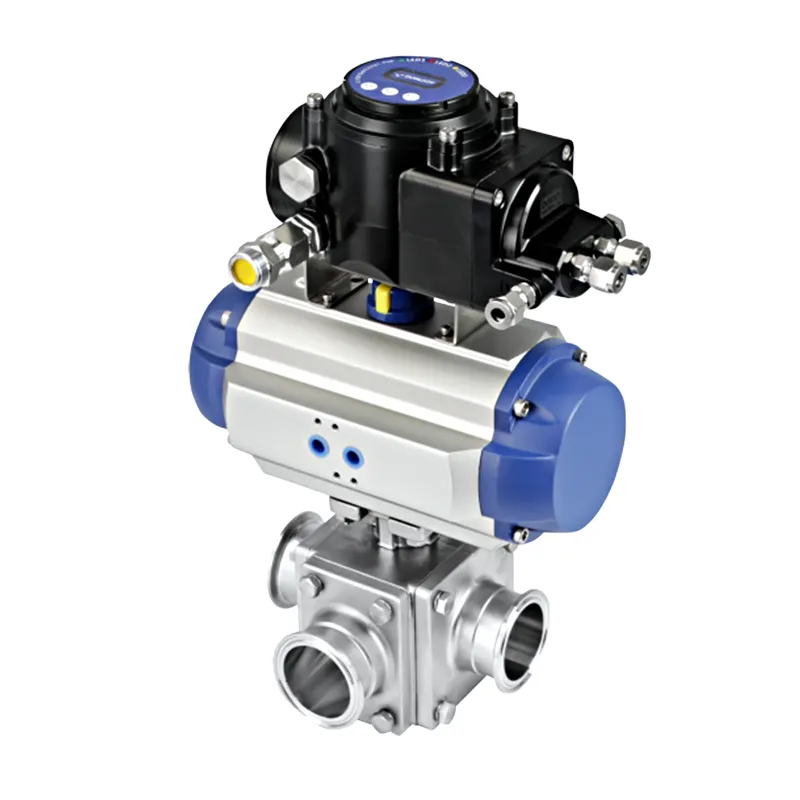
For high-viscosity and shear-sensitive products, a sanitary lobe pump is usually a better starting point when rotor selection, particle protection, and controlled product handling are the main concerns. A sanitary twin screw pump is more suitable to evaluate when the line needs bidirectional reversible operation and must handle materials with different viscosities and granules. The right choice is not only about pump type. It depends on product texture, particle size, flow demand, cleaning method, and how the pump will work with valves, piping, and control devices in the complete sanitary process.
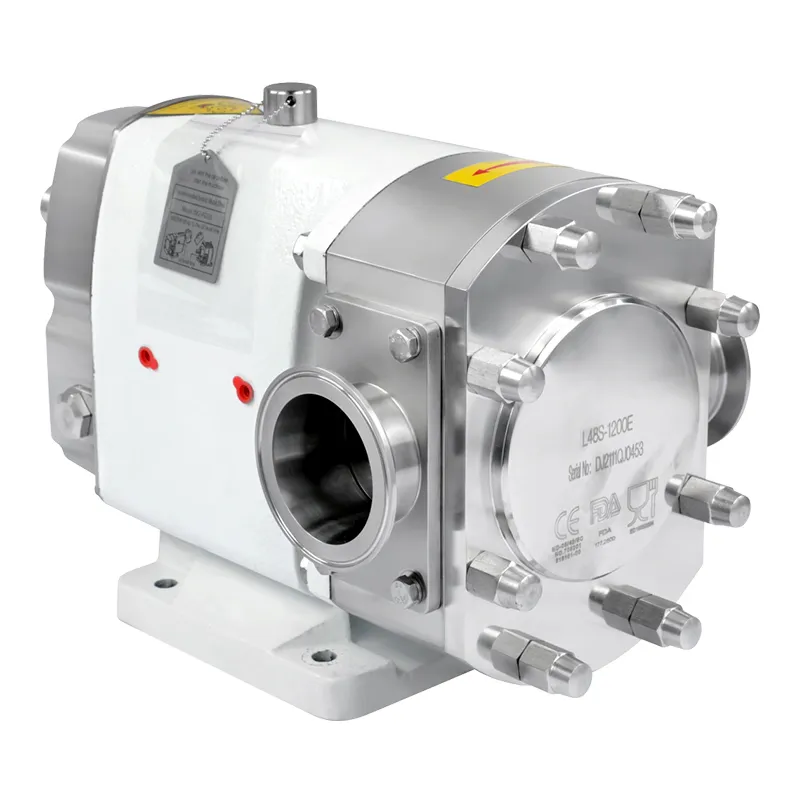
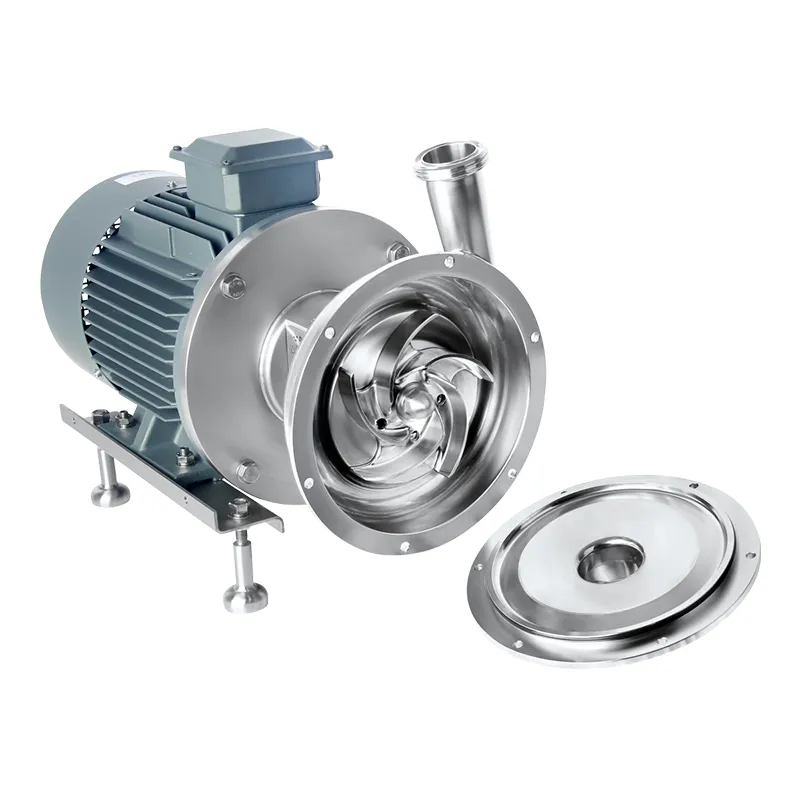
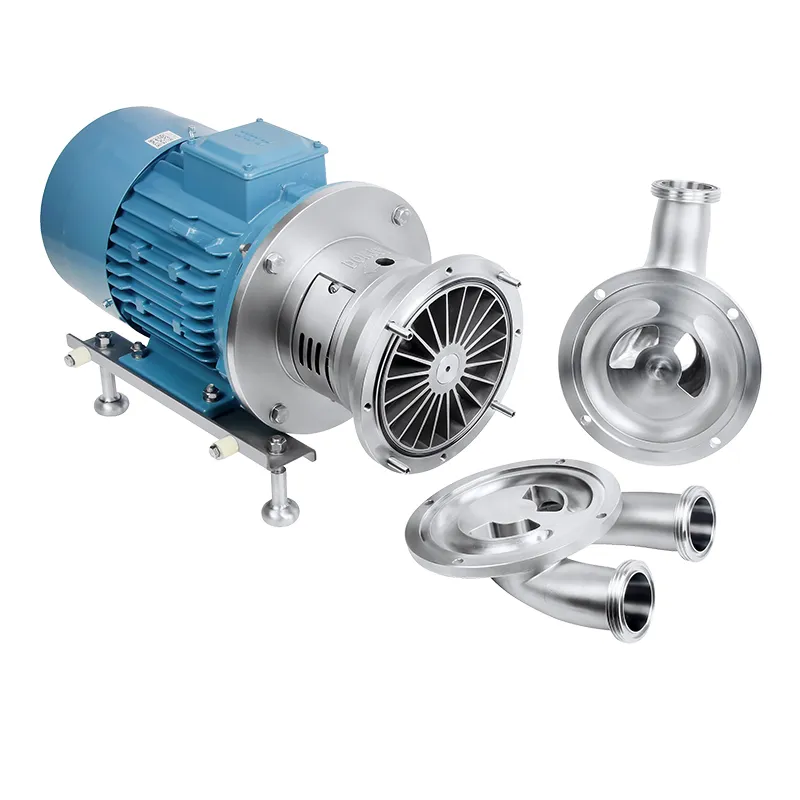
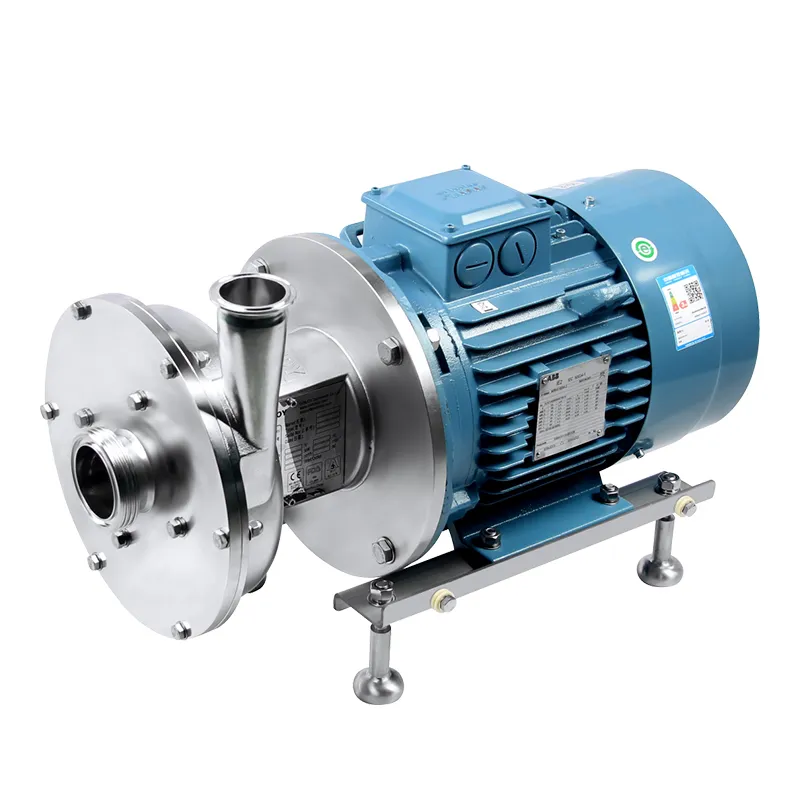
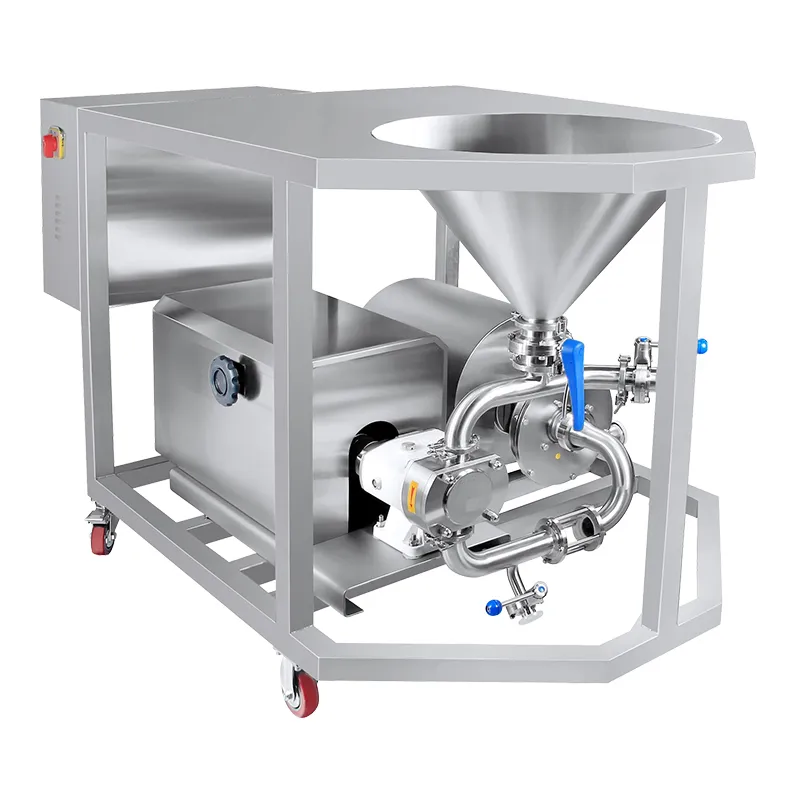
A sanitary lobe pump is a hygienic positive displacement pump used for transferring viscous or particle-containing products in clean processing lines. Donjoy’s lobe pump page highlights TUL/R and STUL/R series options, bidirectional operation, easy maintenance, and contamination-free processing. As a dedicated donjoy lobe pump solution, these pumps are designed with different rotor configurations to meet the requirements of various sanitary applications. For buyers, the most useful part of the product information is the rotor selection logic, because the rotor directly affects product damage, pulsation, and suitability for different media.
Donjoy lists three rotor options for its lobe pump. The butterfly rotor is suitable for particulate media, with low breakage and minimal pulsation. The three-leaf rotor is positioned for general use, with reduced pulsation and moderate shear. The single butterfly rotor is suited for large particles, though with higher pulsation and lower pressure capacity. This makes the sanitary lobe pump relevant for products such as sauces, creams, yogurt, fillings, and other media where texture, particles, or product appearance need to be protected during transfer.
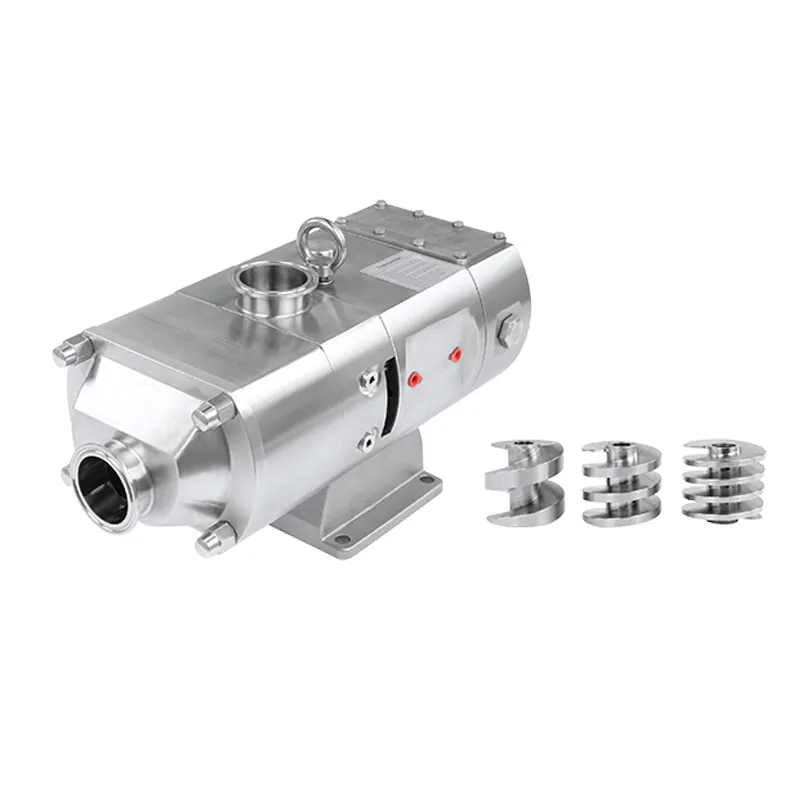
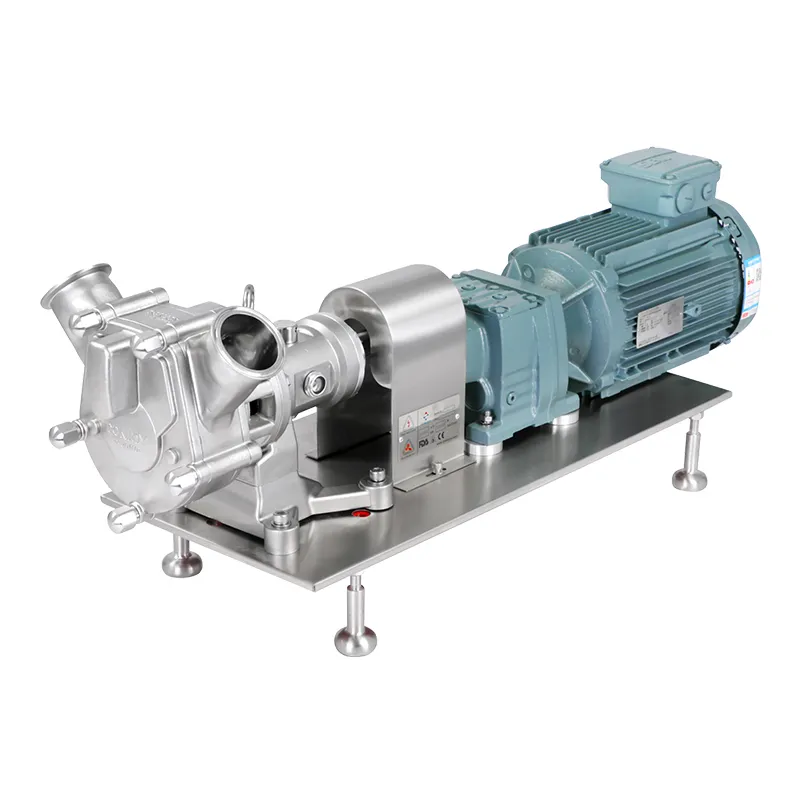
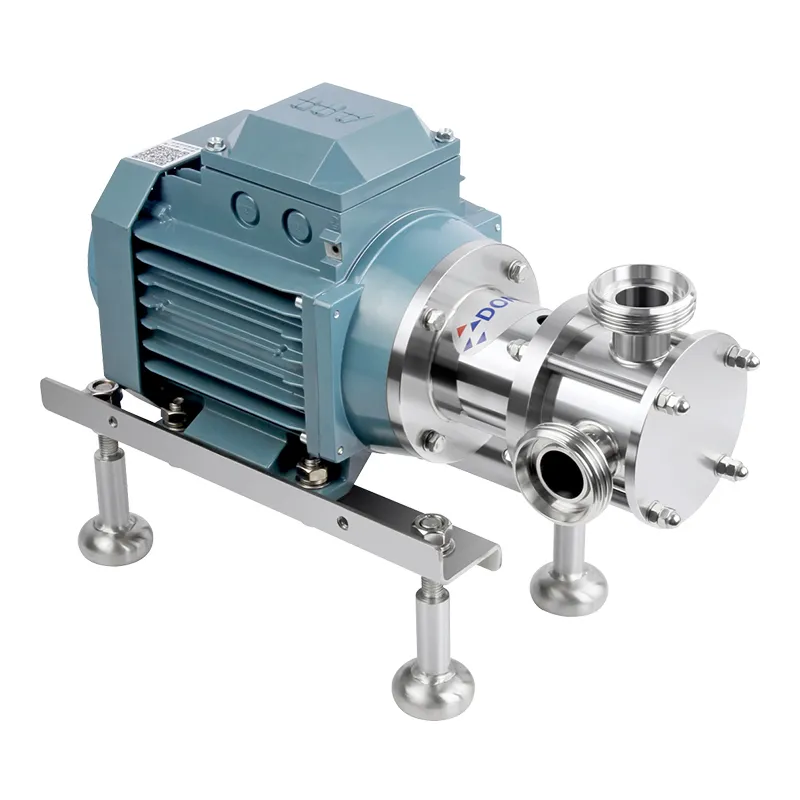
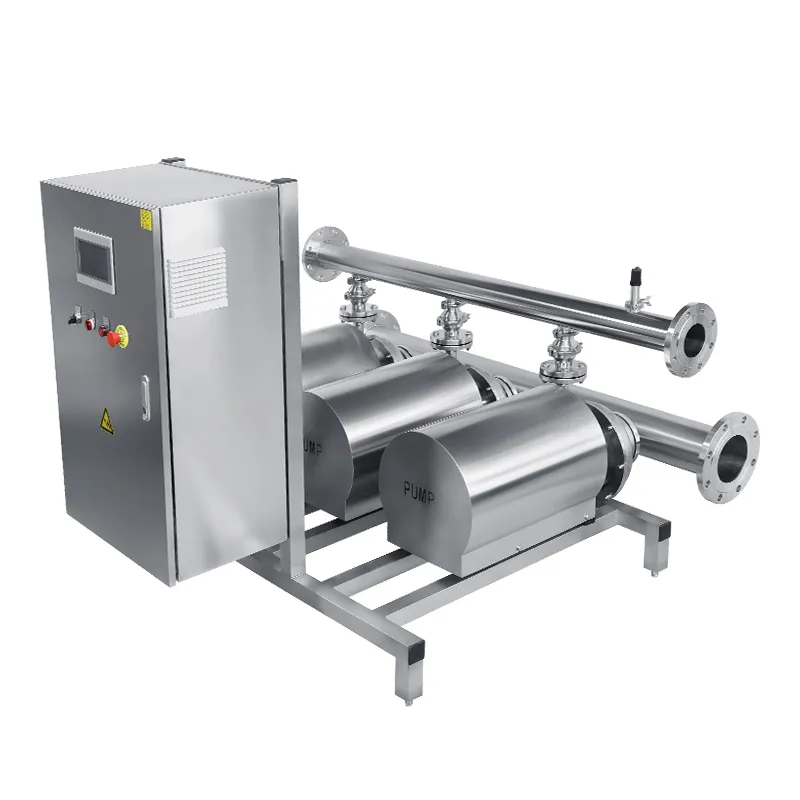
A sanitary twin screw pump is designed for bidirectional reversible operation and for conveying materials with various viscosities and granules without damage. Donjoy’s product structure includes dual-head twin screw pump and standard twin screw pump categories. In practical procurement, this type of pump is often considered when one line may handle different product conditions or when reversible transfer is part of the process design.
In simple terms, a sanitary lobe pump focuses more on matching the rotor to the medium, while a sanitary twin screw pump focuses more on operating flexibility across different viscosities and flow directions. Both can serve sanitary production, but they solve slightly different problems.
For a high-viscosity product, start with the product itself rather than the pump name. Procurement teams should confirm viscosity, temperature, particle size, particle fragility, required flow, suction condition, cleaning method, connection type, and available installation space. These details help determine whether rotor selection is the critical issue or whether the production line needs broader reversible operation and viscosity flexibility.
| Selection factor | Sanitary lobe pump | Sanitary twin screw pump |
|---|---|---|
| Main selection logic | Match the rotor to the product medium | Match the pump to different viscosities and reversible operation |
| Particle handling | Rotor options can be selected according to particle size and breakage risk | Designed to convey materials with granules without damage |
| Shear consideration | Three-leaf rotor offers moderate shear; butterfly rotor helps reduce breakage for particulate media | Suitable when stable transfer is needed across varying product conditions |
| Process direction | Supports bidirectional operation | Supports bidirectional reversible operation |
| Useful for buyers who need | More control over rotor choice, pulsation, and particle protection | More flexibility when one line handles different media or flow directions |
Choose a sanitary lobe pump when the product is viscous, contains particles, or requires careful handling of texture. This is especially relevant when the buyer needs to discuss rotor options with the supplier before confirming a model. For example, if a product contains visible fruit pieces, soft particles, or thick filling, the concern is not only whether the pump can move the medium. The bigger question is whether the product remains acceptable after transfer.
Choose a sanitary twin screw pump when the application requires more process flexibility. If the line may handle materials with different viscosities, or if bidirectional reversible operation is important, the twin screw design should be reviewed. This does not mean it is automatically the better option for every viscous product. It means the buyer should evaluate it when flexibility, clean transfer, and reversible operation are central to the project.
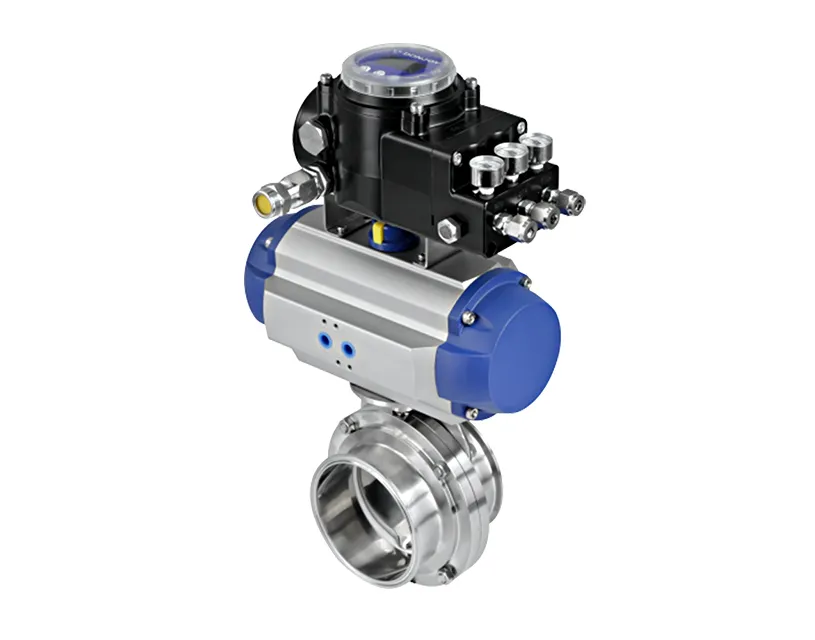
Application industry also matters. Donjoy's sanitary valve and pump application industries include dairy and food processing, brewery and beverage, pharmaceutical and cosmetics, chemical and industrial, water treatment, semiconductor, new energy, and detergent and daily chemical fields. A dairy line, a cosmetics line, and a chemical process may all need sanitary pumps, but the media behavior, cleaning expectations, and supporting valve configuration can be very different.
Before asking for a quotation, buyers should prepare the product name, viscosity, temperature, particle condition, expected flow, cleaning method, connection standard, and whether the pump will be integrated with sanitary valves or control units. A reliable recommendation should be based on these working conditions, not only on a product category. If the product is new or the process is still being designed, it is safer to describe the application and let the manufacturer review the pump type and configuration according to project requirements.
A sanitary lobe pump is often the better fit when rotor selection, particle protection, and gentle transfer are the main concerns. A sanitary twin screw pump is more suitable when the production line needs bidirectional reversible operation and flexible handling of different viscosities and granules. The final decision should be based on product viscosity, particle condition, flow requirement, cleaning method, and the role of the pump in the full sanitary process.
As a sanitary pump manufacturer, Donjoy can help buyers evaluate whether a sanitary lobe pump or sanitary twin screw pump is more suitable for their production line. Share your medium, viscosity, particle condition, and application requirements with the Donjoy team to discuss a pump configuration that fits your project.