May 18, 2026
Blog

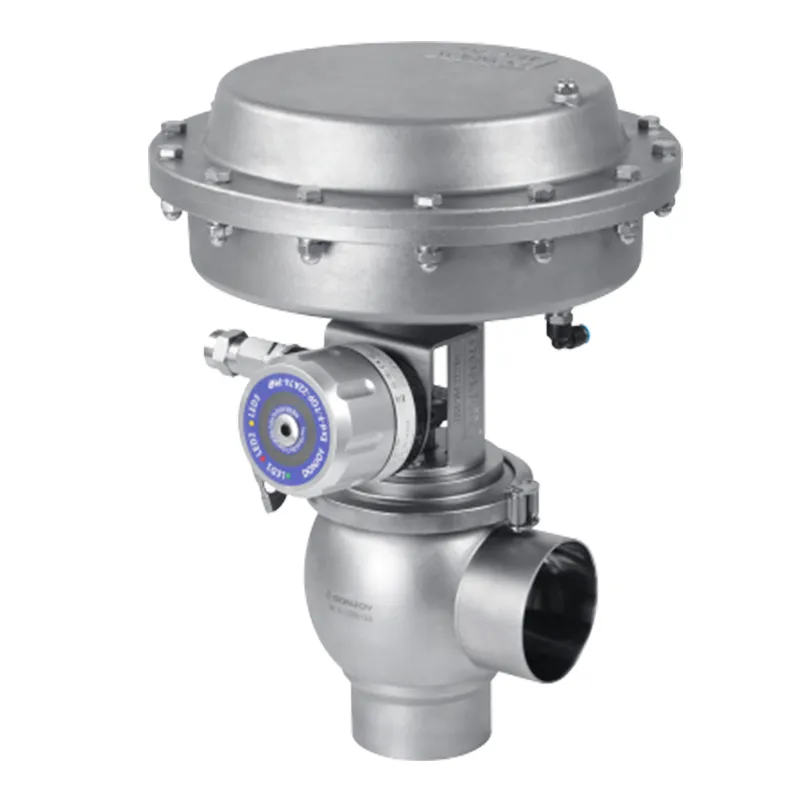
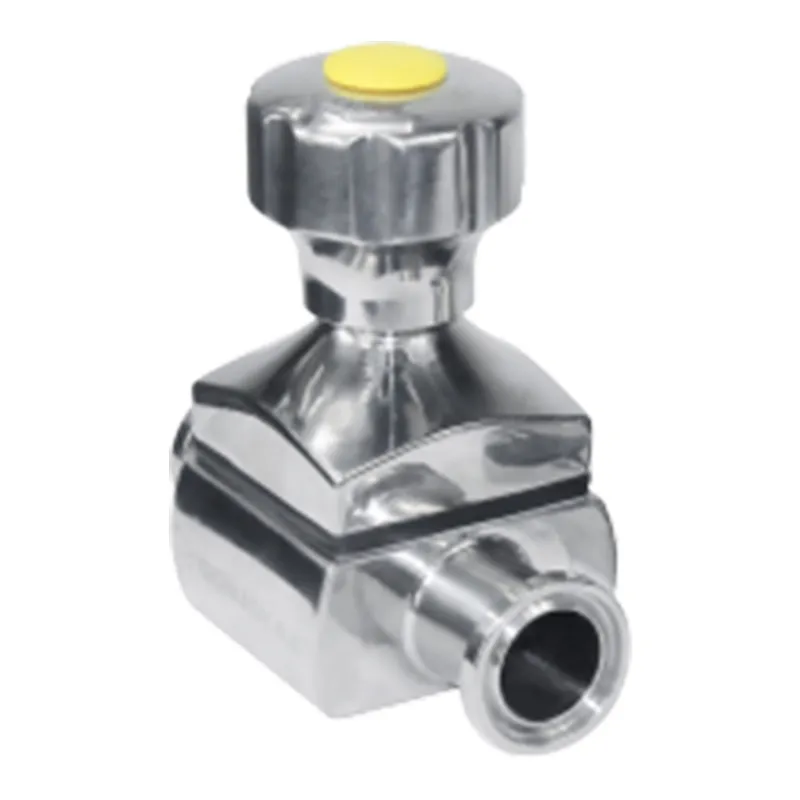
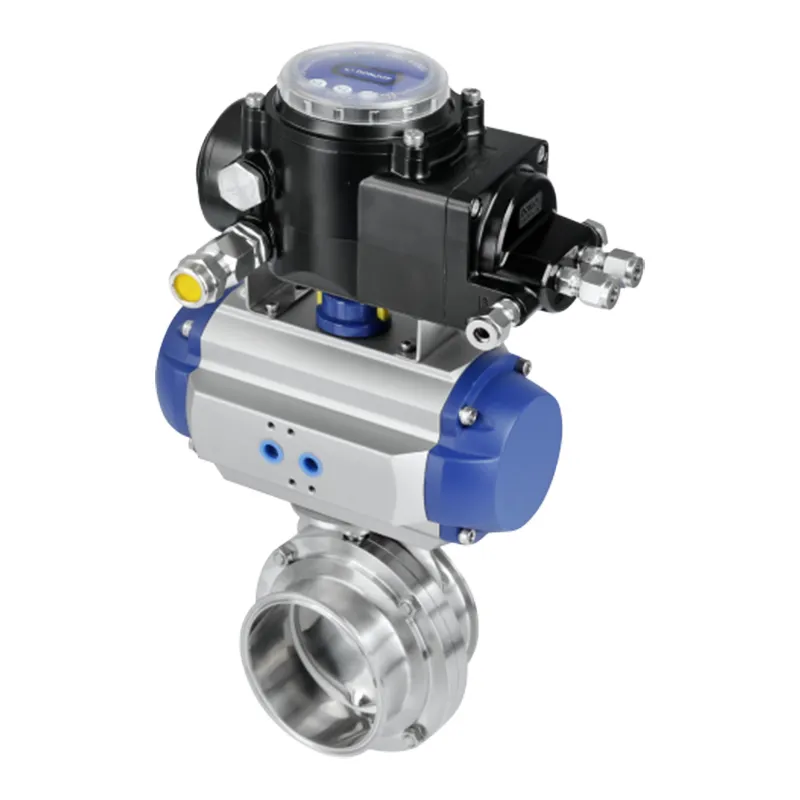
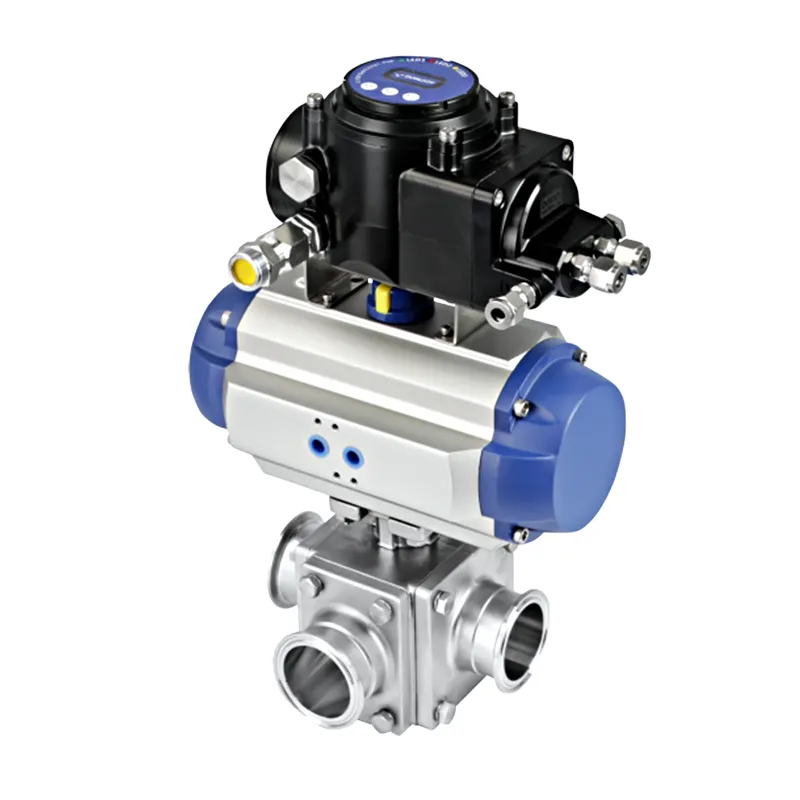
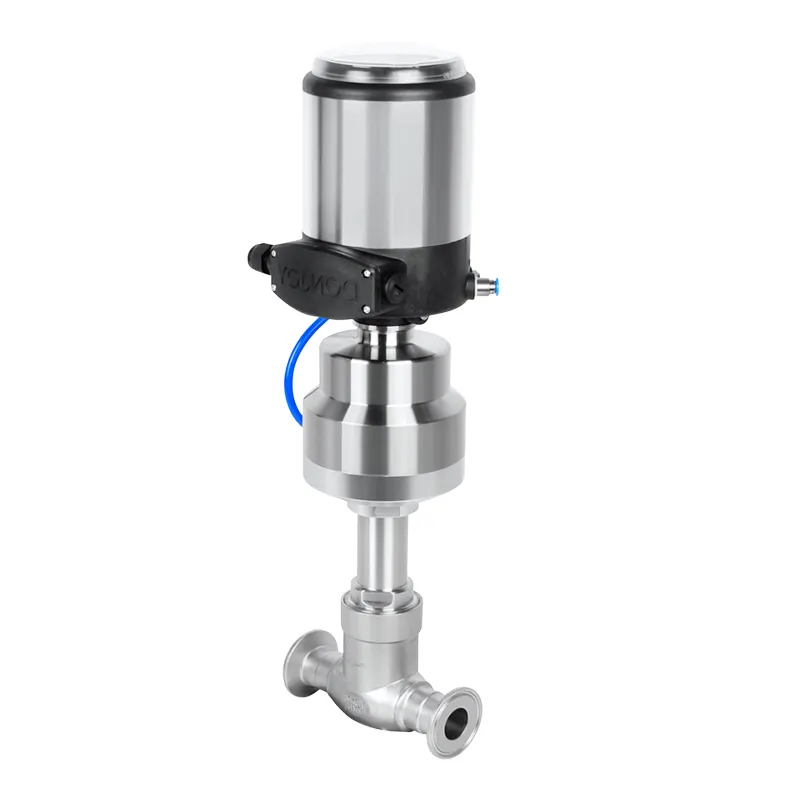
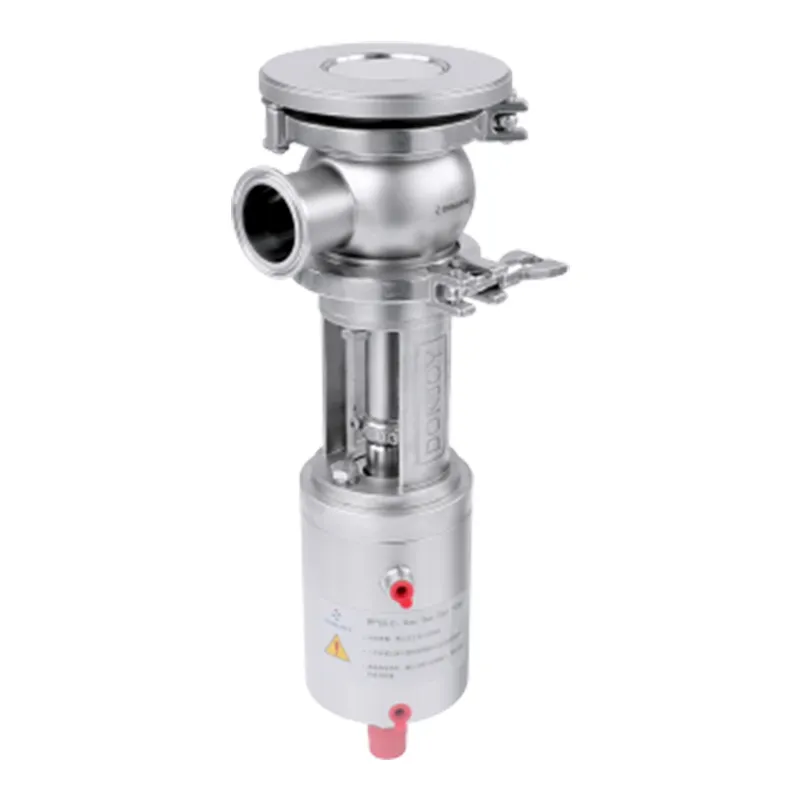
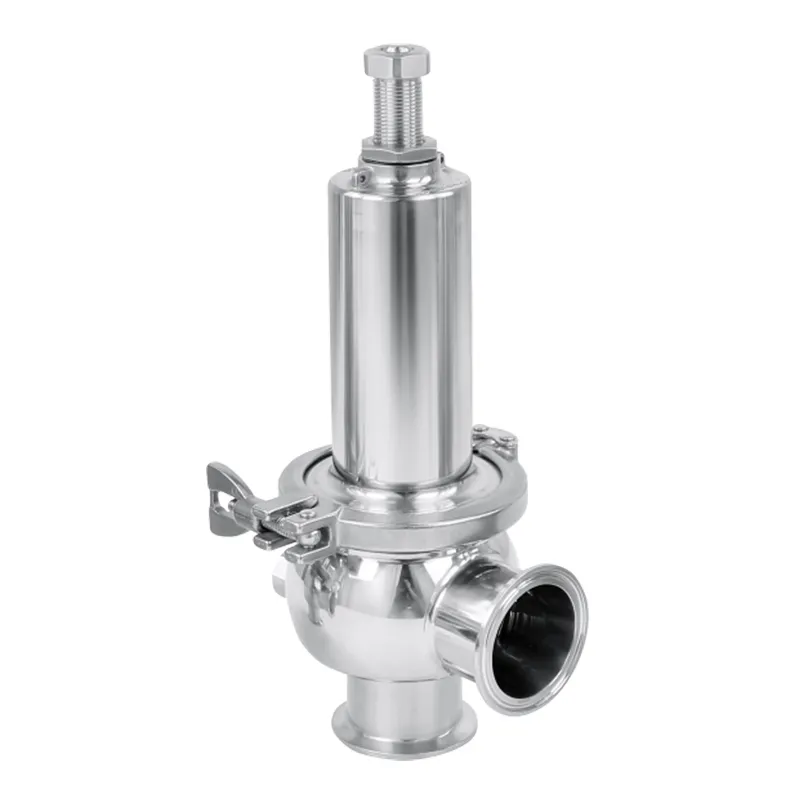
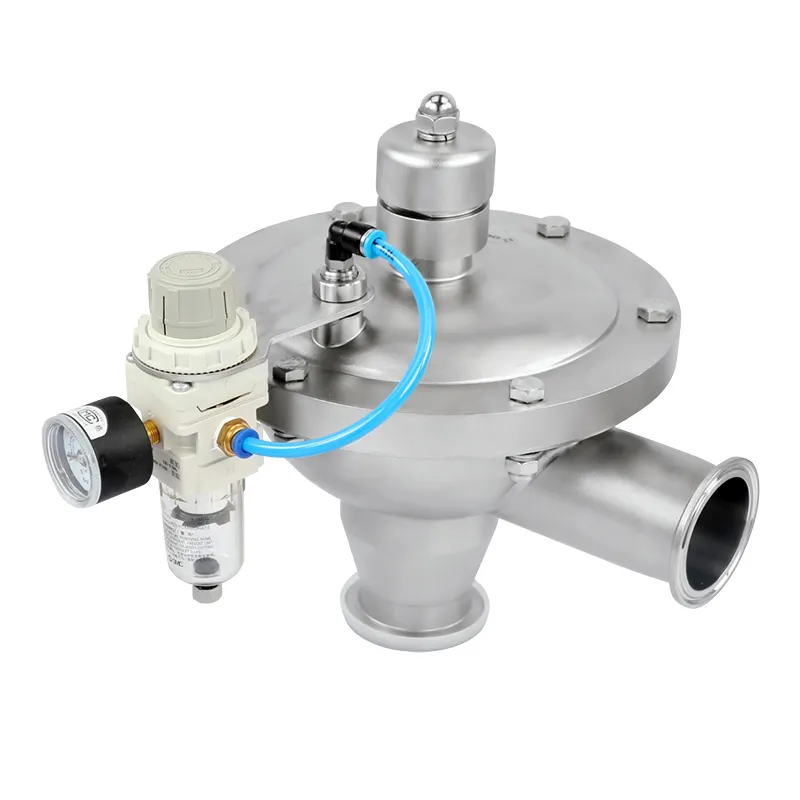
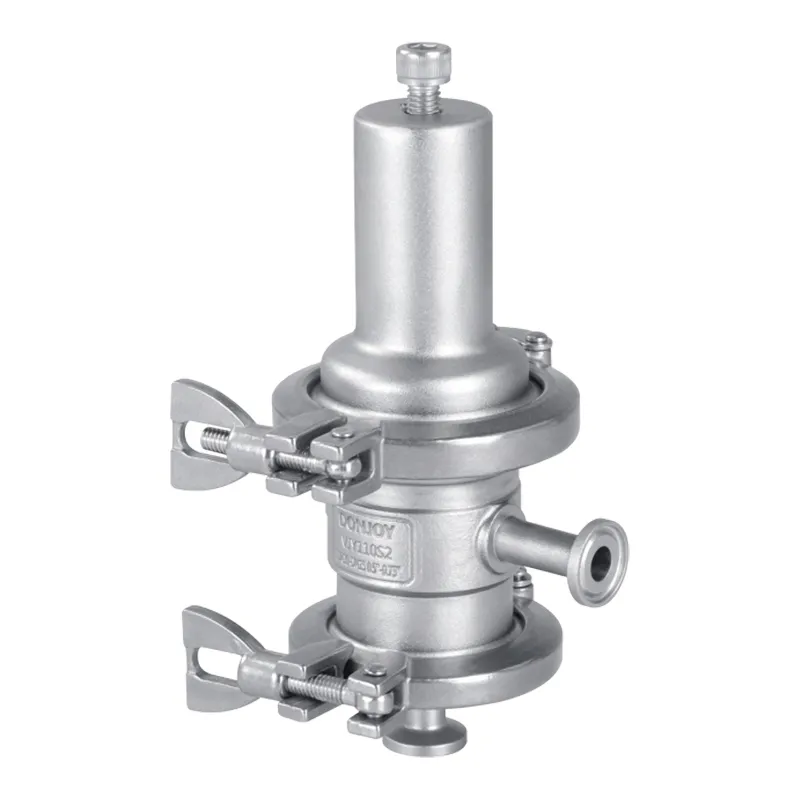
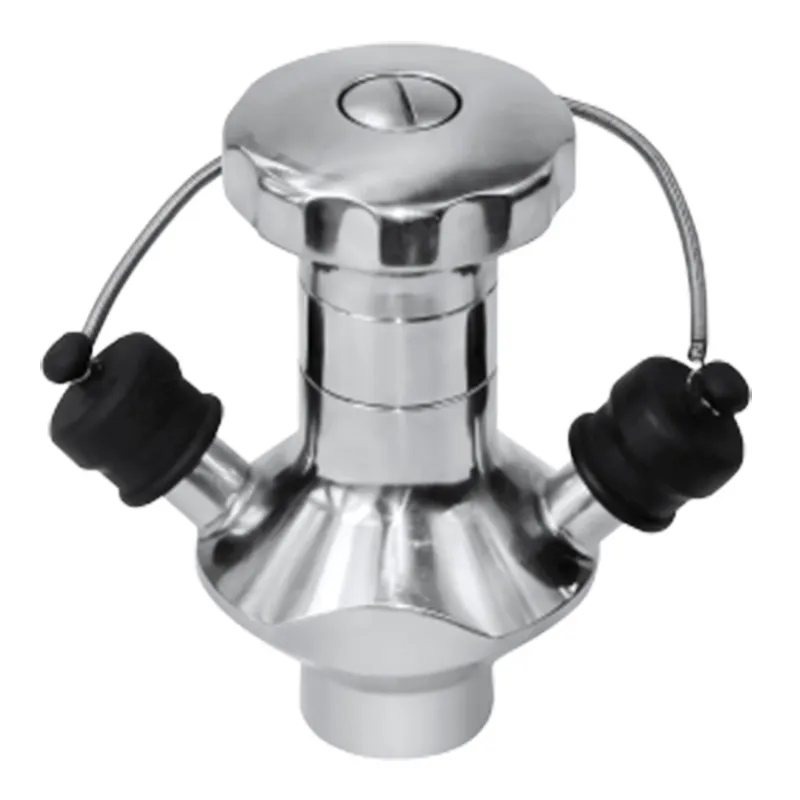
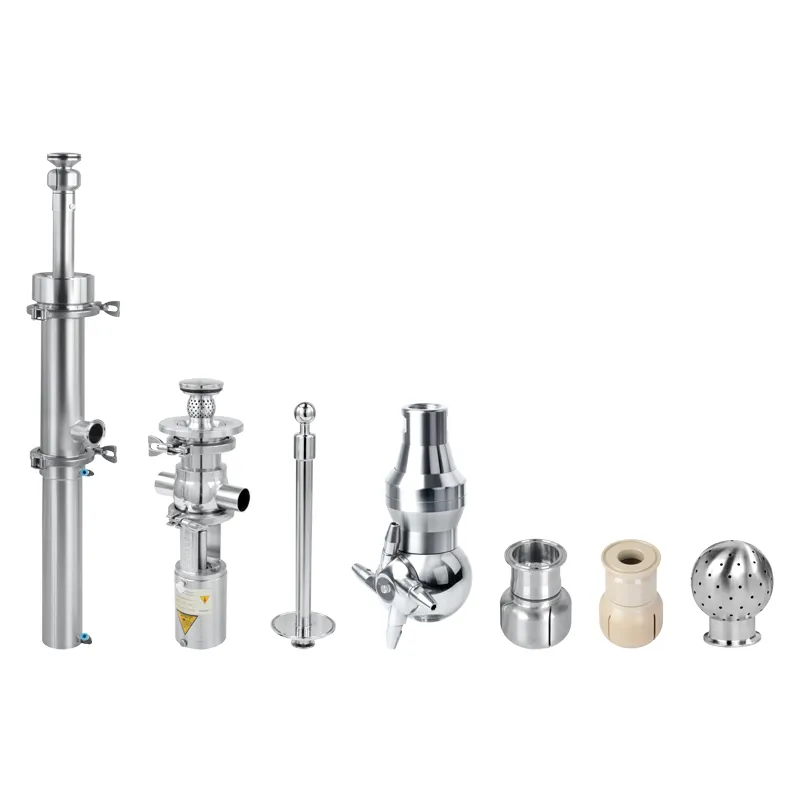
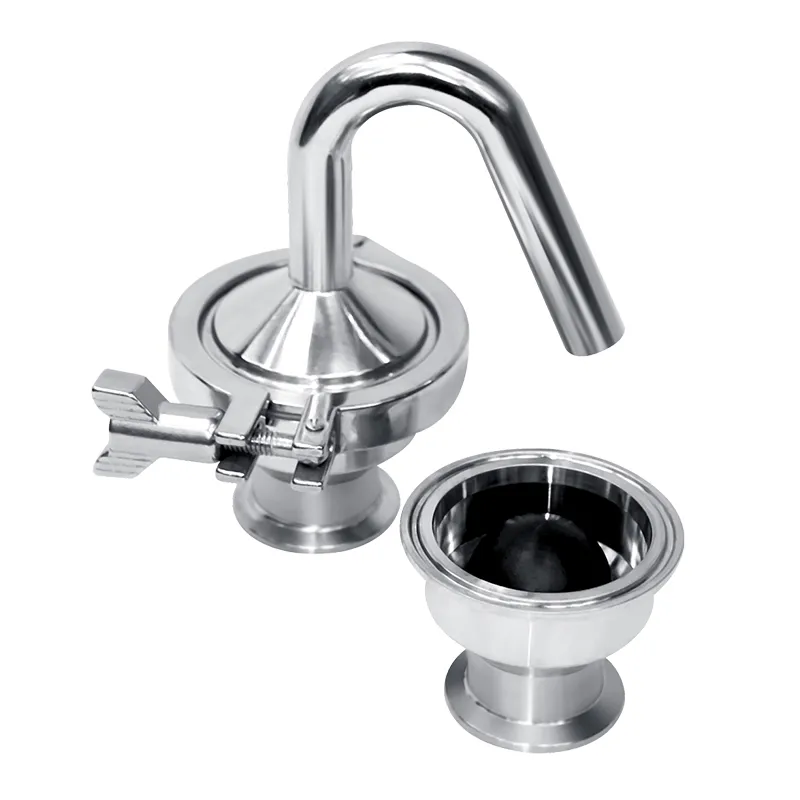
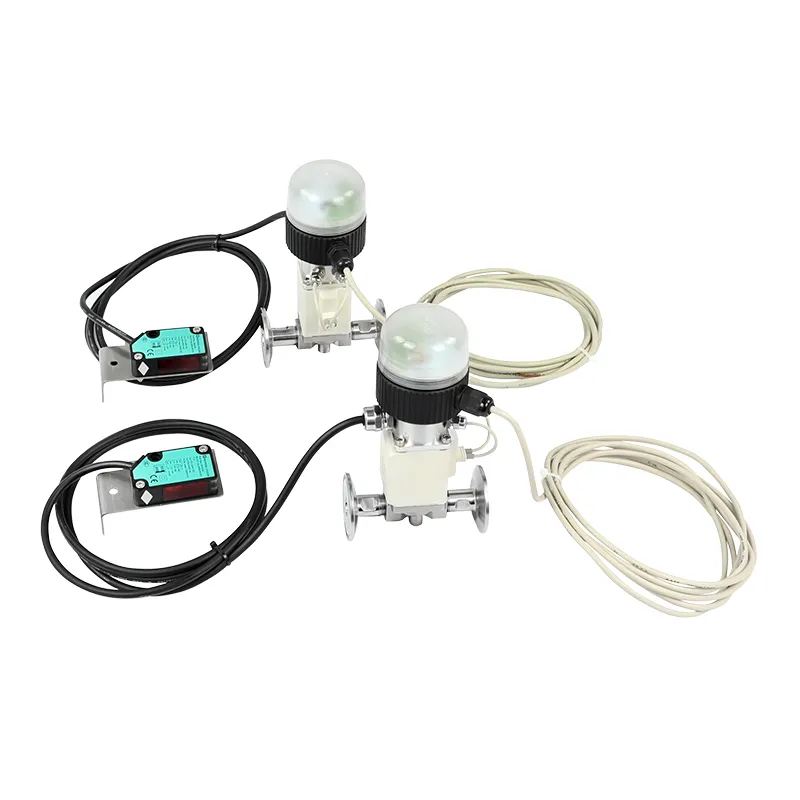
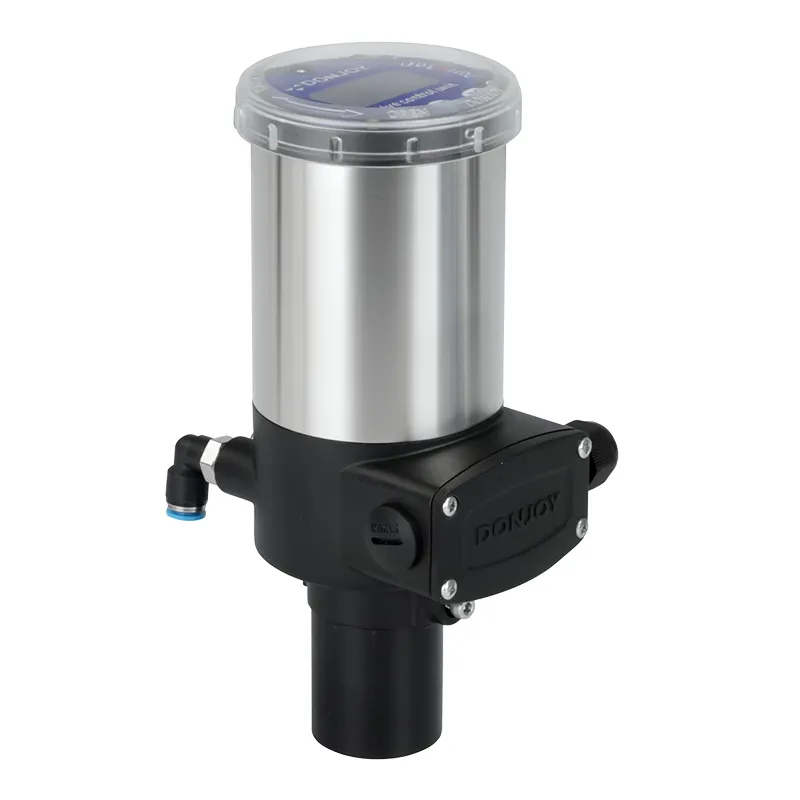
Sanitary valves control, isolate or redirect fluids in systems where hygiene, cleanability and product integrity are critical. They are widely used in food and beverage production, dairy processing, brewing, pharmaceuticals, biotechnology and other high-purity applications.
One of the first decisions buyers face is whether the valve should be operated manually or by a pneumatic actuator. Both options can provide reliable shutoff and flow control, but they differ in cost, operating speed, automation capability, maintenance and suitability for frequent cycling.
The right choice is not simply “manual for small plants and pneumatic for large plants.” Valve location, cycle frequency, safety requirements, cleaning procedures, available compressed air and future automation plans should all be considered. This guide provides a practical comparison for engineers and procurement teams.
A manual sanitary valve is opened, closed or adjusted by an operator using a handle, handwheel or lever. Its simple structure makes it practical for sampling points, drains, maintenance bypasses and lines that are operated infrequently. It does not require compressed air, solenoid valves or control wiring.
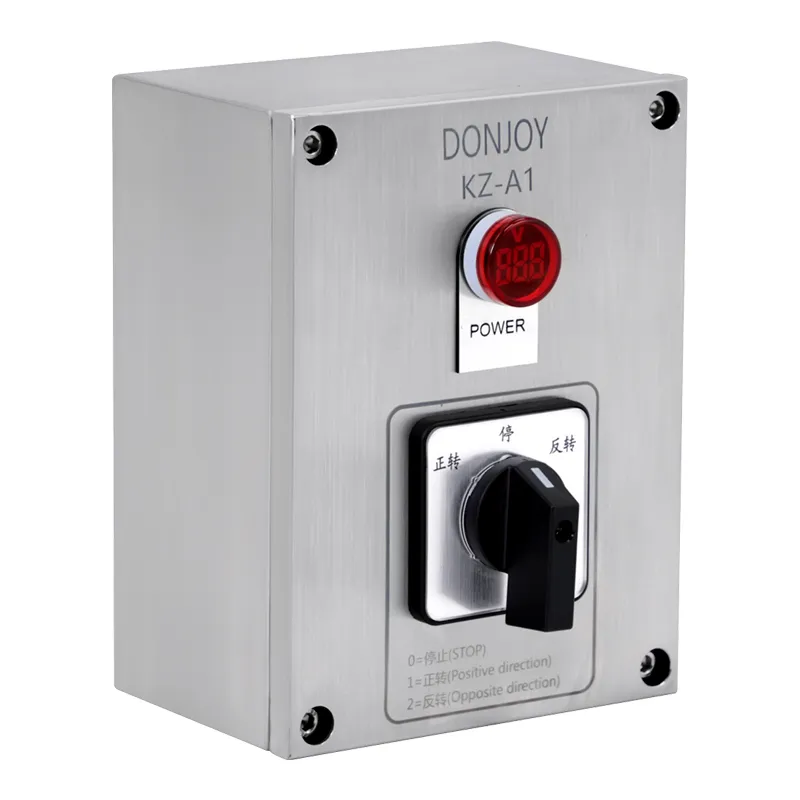
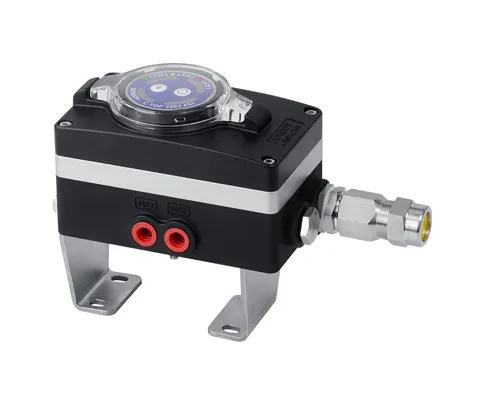
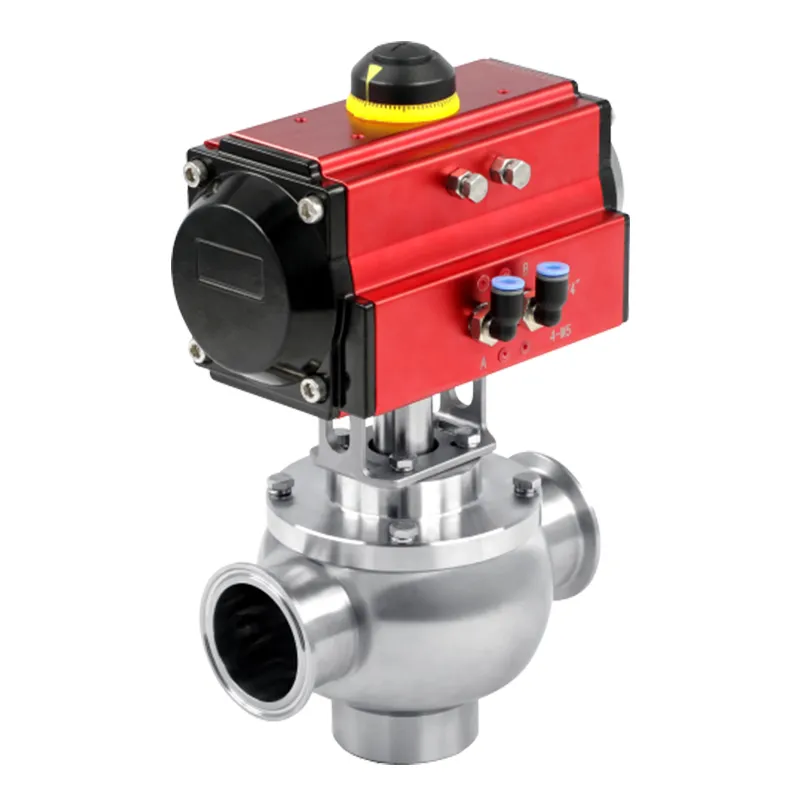
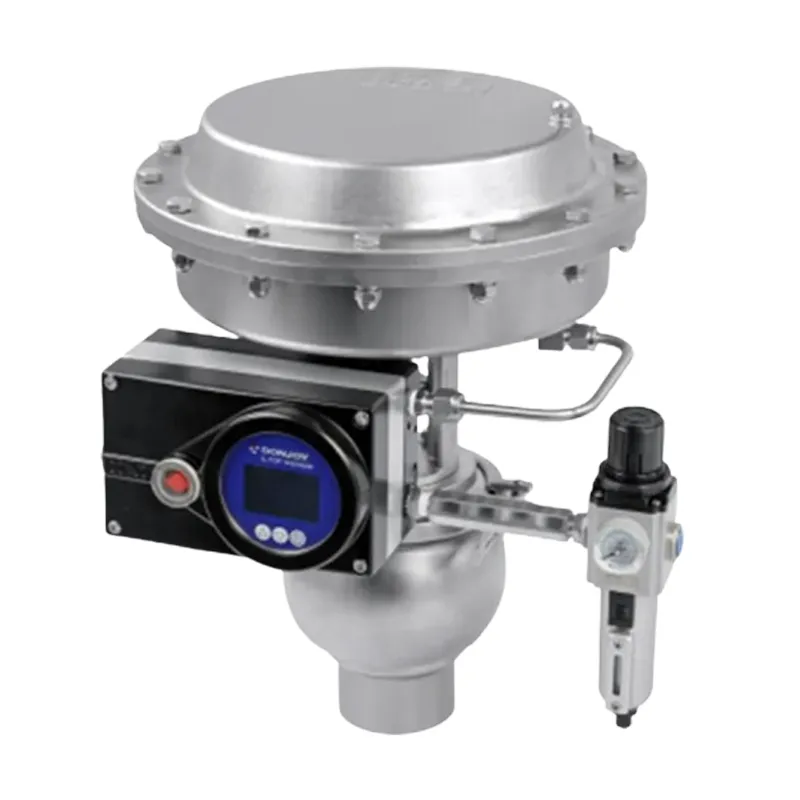
A pneumatic sanitary valve uses compressed air to move an actuator and change the valve position. Depending on the design, it may be normally open, normally closed or double acting. Limit switches, control tops and positioners can also be added for remote monitoring or modulating control.
The term sanitary valve covers butterfly, diaphragm, ball, diverter, mixproof, angle seat and tank bottom valves. The correct valve body should therefore be selected before deciding how it will be operated.
| Selection Factor | Manual Sanitary Valve | Pneumatic Sanitary Valve |
|---|---|---|
| Initial cost | Lower | Higher |
| Operating method | Local hand operation | Remote or automatic operation |
| Cycling frequency | Occasional operation | Frequent operation |
| Response speed | Operator-dependent | Fast and repeatable |
| Position feedback | Usually visual | Feedback devices available |
| Utility requirements | None | Compressed air and controls |
| Fail-safe function | Limited | Spring-return options available |
| System integration | Normally standalone | PLC integration available |
| Maintenance scope | Valve body and handle | Valve, actuator and air system |
Manual valves are attractive when process simplicity and low capital cost are priorities. However, their operating cost may increase when employees must repeatedly access valves, verify valve positions or change several valves during each production or cleaning cycle.
Pneumatic valves require a higher initial investment, but they support consistent sequencing, remote control and faster production changeovers. A sanitary butterfly valve may use a manual handle on a simple transfer line or pneumatic actuation when it must operate repeatedly during filling, product routing or CIP procedures.
Manual operation also depends on the availability and judgment of individual operators. Pneumatic operation can reduce variation by ensuring that the valve follows the same sequence and reaches the same position during every production batch.
Choose a manual sanitary valve when the valve is easy to reach, operates only a few times per shift and is not part of a critical automatic sequence. Manual operation can suit pilot plants, laboratories, low-volume processing lines and maintenance isolation points.
Typical examples include a manual ball valve used for local equipment isolation and a manual diaphragm valve used for sampling, laboratory equipment or small aseptic process connections. Manual valves are also useful as emergency isolation points that remain closed during normal production.
Choose pneumatic operation when a valve cycles frequently, is installed in an inaccessible position or must respond to signals from sensors and a PLC. A pneumatic butterfly valve can manage product routing and filling processes, while a pneumatic diaphragm valve can provide hygienic isolation in pharmaceutical or biotechnology systems.
A pneumatic actuator is also valuable when the process requires a defined fail position. A spring-return actuator can move the valve to its safe state if air pressure or control power is lost.
Before selecting an actuator, buyers should confirm the required torque or thrust, available air pressure, operating time, valve size, environmental protection level and compatibility between the actuator and valve body.
Many processing facilities use a hybrid approach. Valves that are critical to production, safety, cleaning or batch repeatability are automated, while low-frequency service valves remain manually operated. This controls investment without creating labor-intensive operating procedures.
Sanitary butterfly valves are compact and economical for on-off service in food, beverage and dairy processing lines. They are frequently selected where low weight, straightforward maintenance and fast operation are important. Buyers should evaluate seal compatibility, connection type, operating temperature and whether position feedback is required.
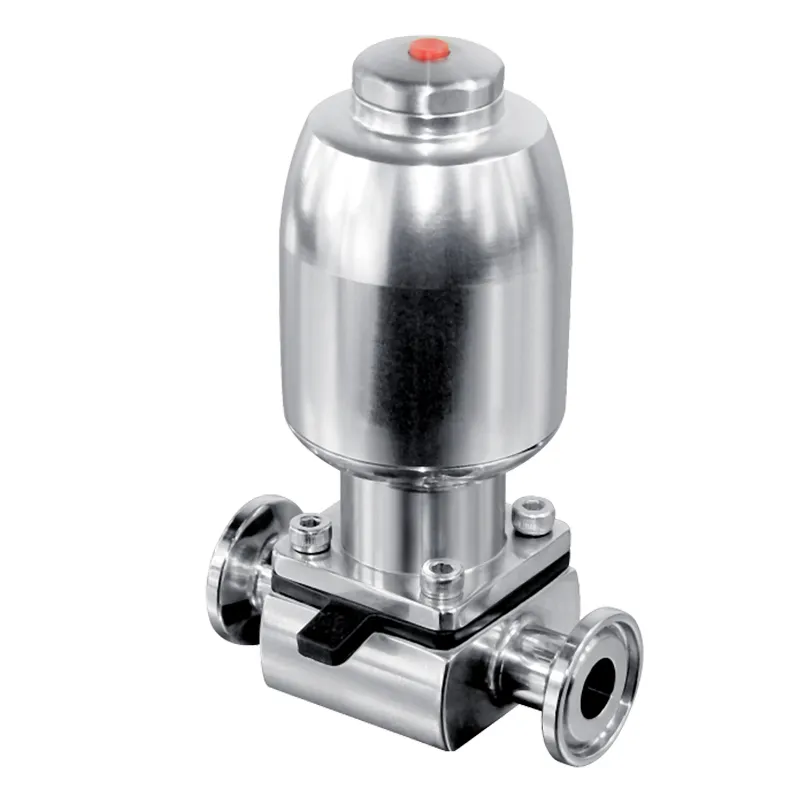
A sanitary diaphragm valve separates the process medium from the actuator mechanism with a flexible diaphragm. This design is commonly selected where drainability, aseptic processing and controlled cleaning are especially important. Manual versions may be used for local sampling and isolation, while pneumatic versions are more suitable for automated pharmaceutical processes.
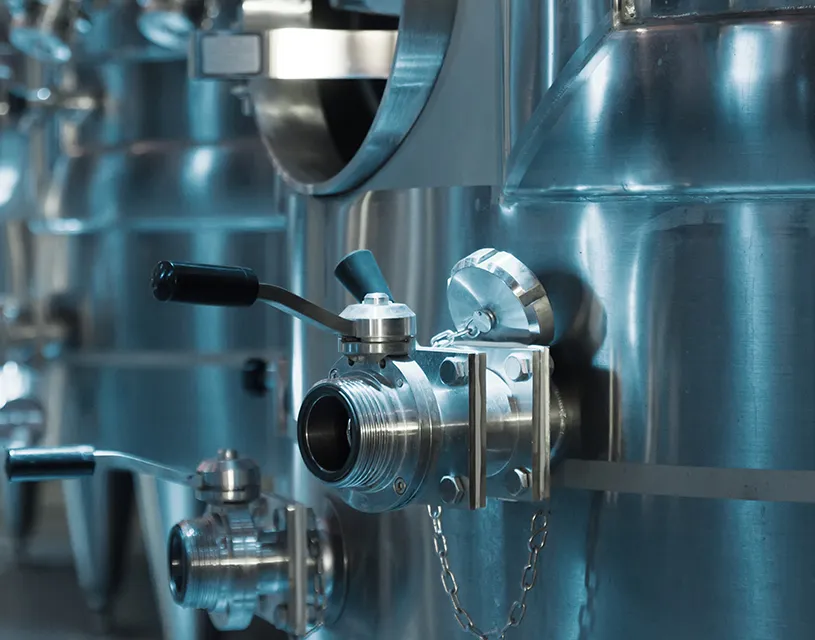
A sanitary ball valve provides an open flow path and firm shutoff. Manual ball valves suit local equipment isolation, while pneumatic versions can be integrated into automated routing and transfer systems. In hygienic applications, buyers should examine the internal cavity, seat design, drainability and potential for product retention.
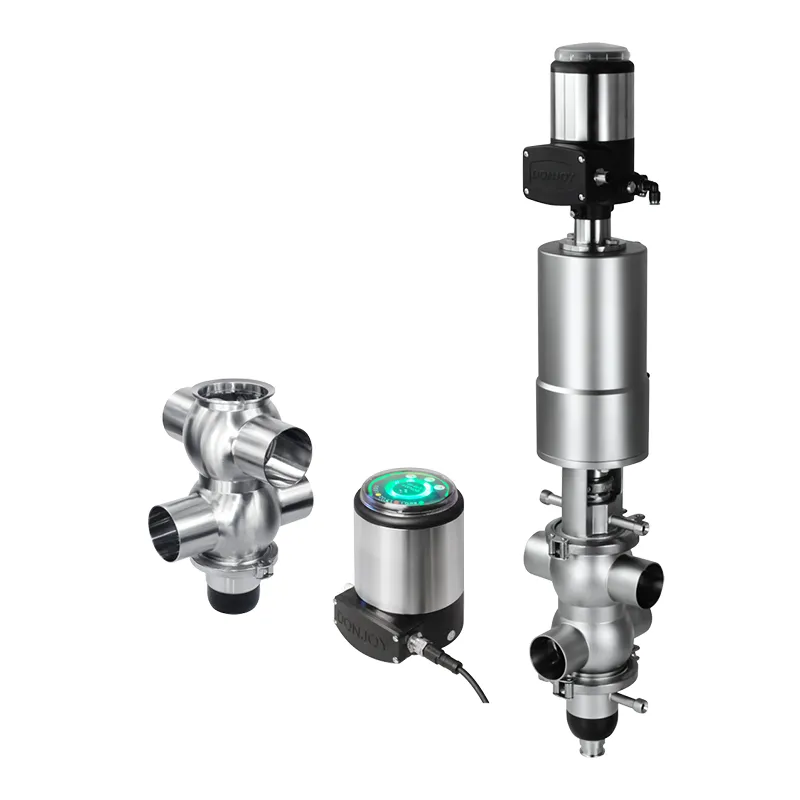
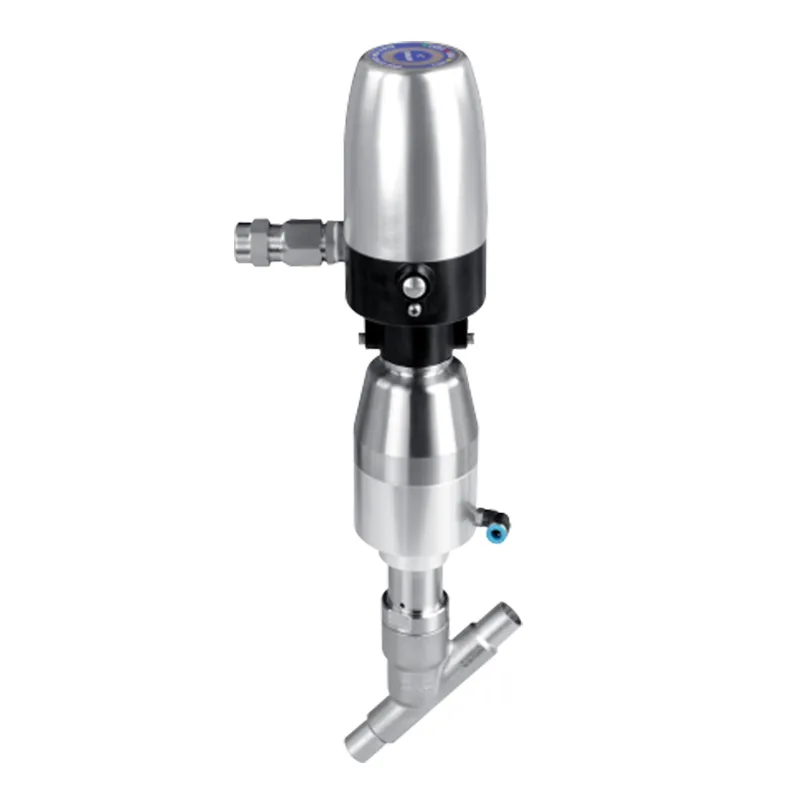
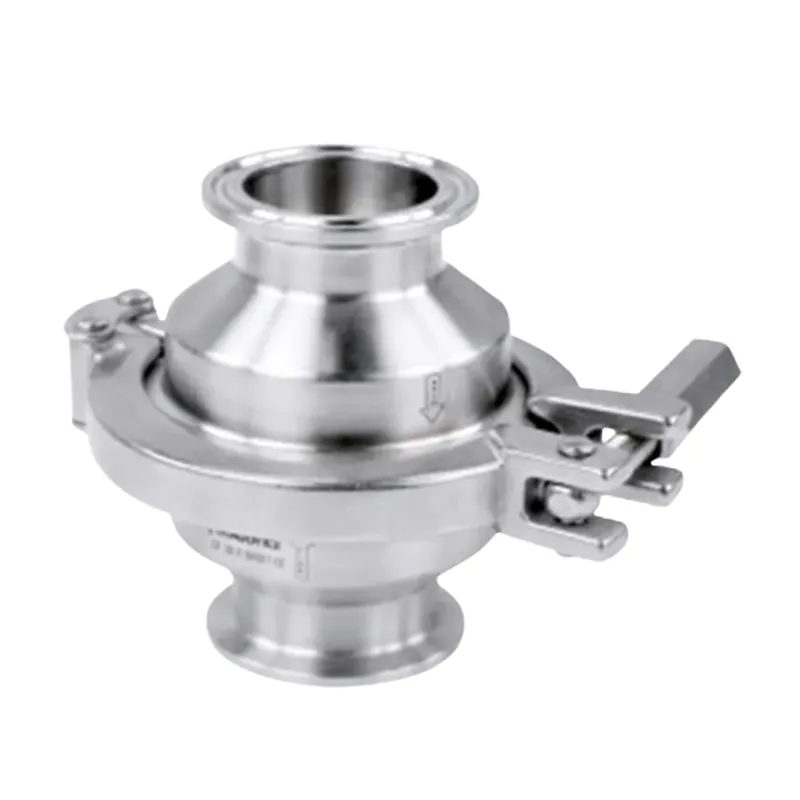
Mixproof valves can separate incompatible fluids while allowing production and cleaning processes to operate simultaneously. Diverter valves direct the product between different processing lines, while angle seat valves are suitable for fast switching and frequent cycling. For applications where preventing reverse flow is critical, proper check valve selection should consider factors such as flow direction, pressure conditions, connection type, and cleaning requirements.
Tank bottom valves are specifically designed for vessel discharge. Depending on the production process, they may use a manual handle for occasional draining or pneumatic control for automatic emptying, filling and CIP sequences.
The actuation method should therefore be selected only after the valve function, medium characteristics and sanitary design have been confirmed.
When comparing sanitary valve manufacturers, review more than catalogue size and unit price. Request material specifications, pressure and temperature limits, available seal options, surface-finish information, connection standards and cleaning compatibility.
The valve manufacturer should also confirm that the valve body, actuator and control accessories are properly matched. An undersized actuator may not provide sufficient operating force, while an oversized actuator can increase cost and place unnecessary stress on the valve stem.
Reliable sanitary valve suppliers should explain spare-part availability, seal replacement procedures, actuator maintenance and technical support. For pneumatic models, the quotation should clarify whether solenoid valve 24v options, feedback switches, control units, mounting kits and air preparation components are included.
A capable sanitary valve factory should maintain consistent controls for raw materials, machining accuracy, surface finishing, assembly and performance testing. Procurement teams may request material certificates, inspection records, pressure-testing reports and applicable compliance documentation.
For customized projects, engineering communication is also important. The supplier should review process drawings, valve positions, media information and automation requirements before confirming the final configuration.
The lowest-priced valve is not always the lowest-cost choice. Leakage, unsuitable seals, difficult cleaning, unavailable spare parts or mismatched actuators can result in downtime, product loss and additional maintenance expenses.
Not automatically. Hygiene depends mainly on the valve body design, surface finish, drainability, seal materials and compatibility with CIP or SIP procedures. Pneumatic operation improves automation and repeatability, but both actuation types can meet sanitary requirements.
Some valve designs support actuator upgrades through standardized mounting interfaces. However, the valve stem, mounting bracket, actuator torque, available space and control requirements must be checked before conversion.
The actuator itself normally uses compressed air. However, solenoid valves, position feedback devices, control tops and PLC systems usually require electrical signals or a power supply.
Pneumatic valves are usually preferred for automated CIP sequences because they can be operated remotely and monitored through a control system. The valve body must still provide suitable cleanability, drainage and flow characteristics.
Yes. Manual valves can be used at sampling points, laboratory systems, maintenance isolation points and other low-frequency positions. Critical or frequently operated pharmaceutical processes are more likely to use pneumatic valves.
Provide the process medium, valve type, nominal size, connection standard, pressure, temperature, seal material, actuation method, fail position, air pressure, control signal, required feedback and purchasing quantity.
Manual sanitary valves are cost-effective for accessible, low-frequency and non-critical duties. Pneumatic sanitary valves are more suitable for frequent cycling, automated routing, CIP sequences, remote locations and processes requiring repeatable or fail-safe operation. Many facilities achieve the best balance by combining both options according to the importance of each valve position.
Founded in 1993, DONJOY TECHNOLOGY CO., LTD. develops sanitary valves, valve control devices and high-purity fluid-handling equipment for food, beverage, pharmaceutical and related processing applications. Send your process medium, valve size, operating conditions and automation requirements to the DONJOY team for a valve selection recommendation and quotation.