Jun 18, 2026
Blog

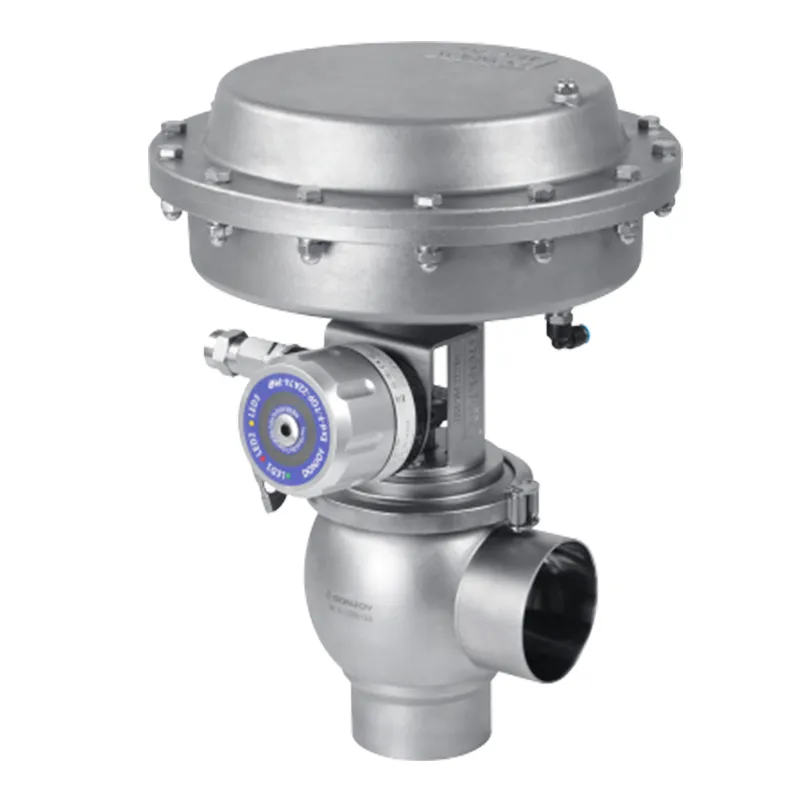
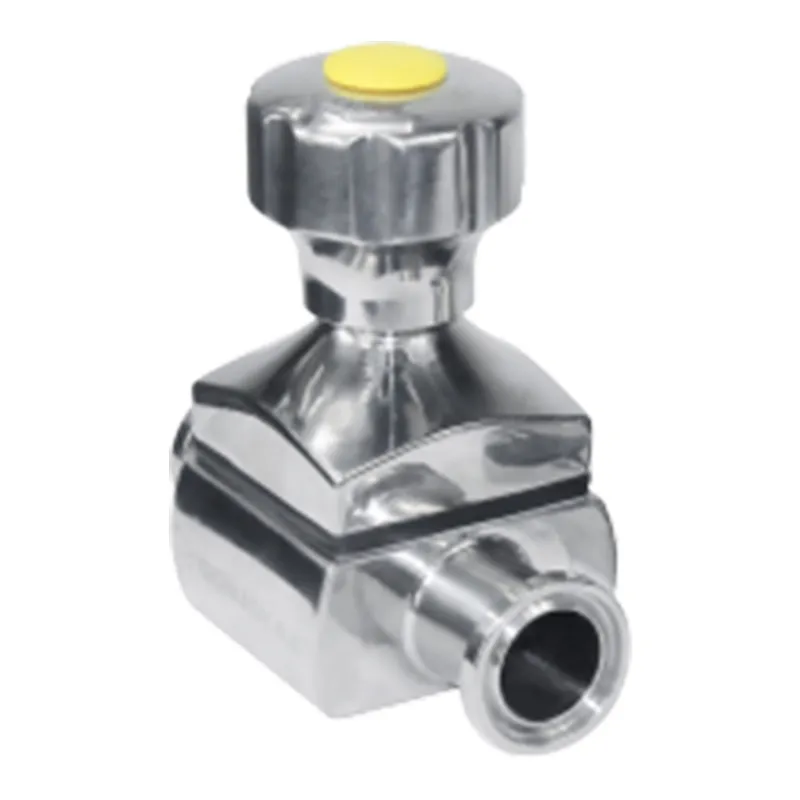
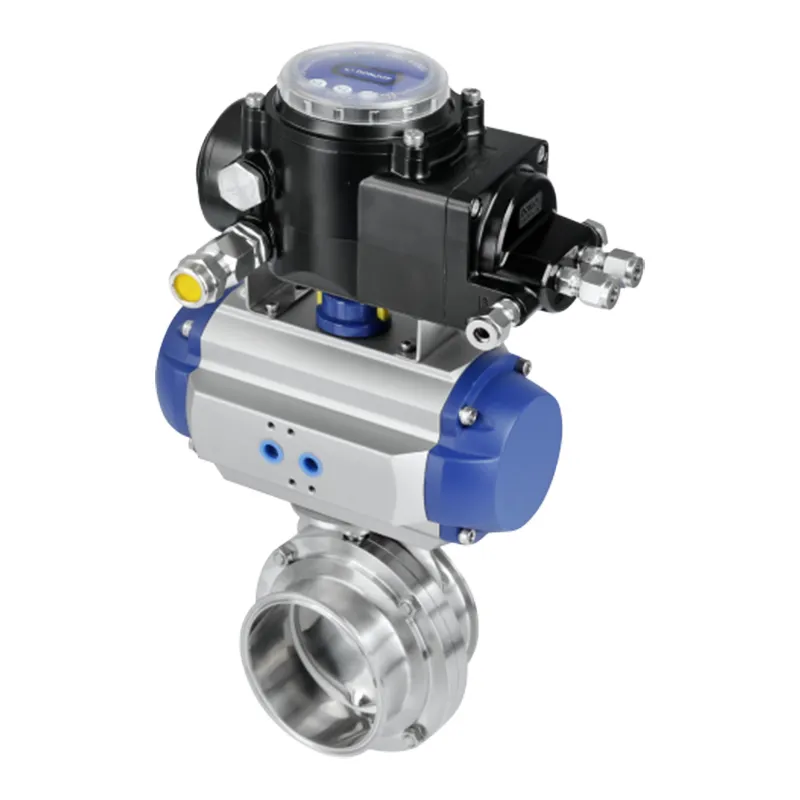
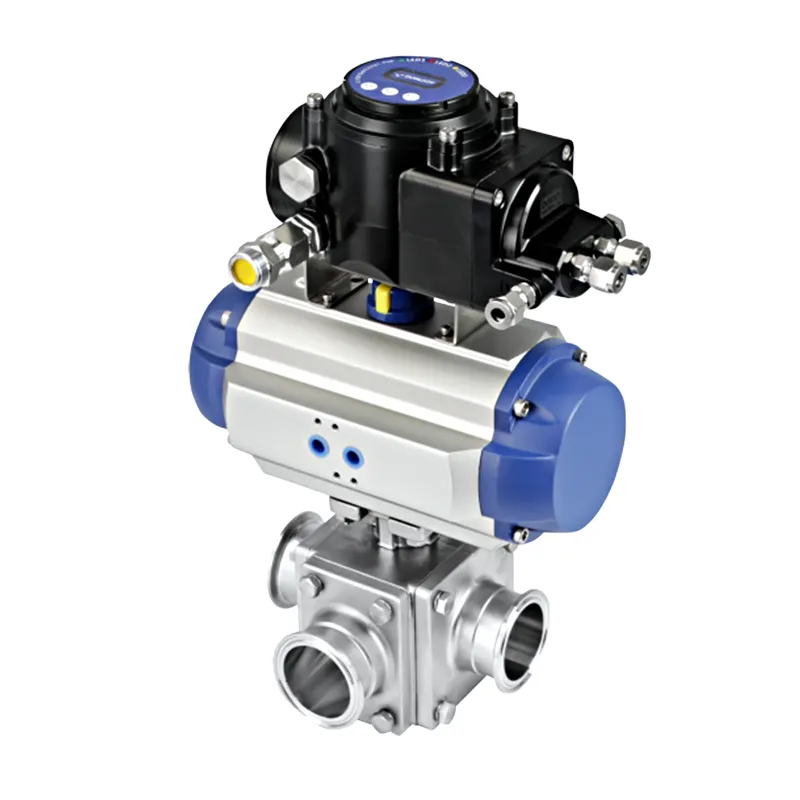
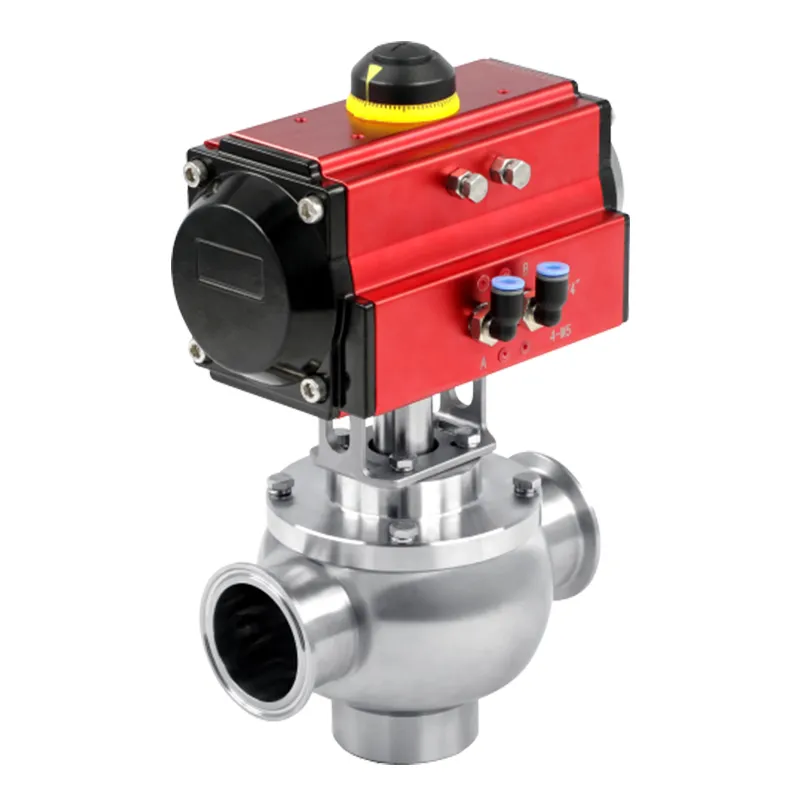
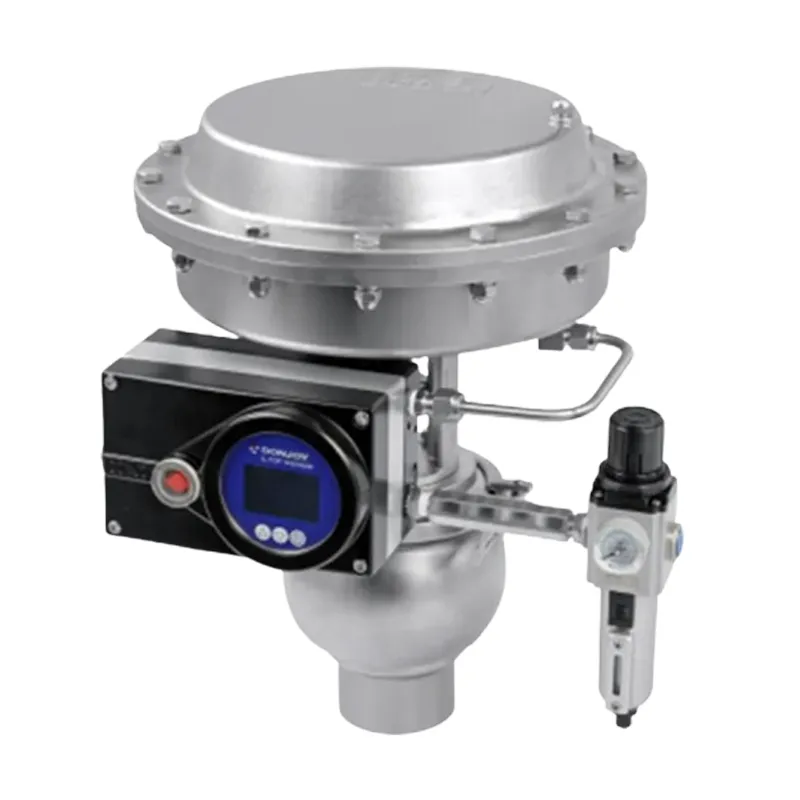
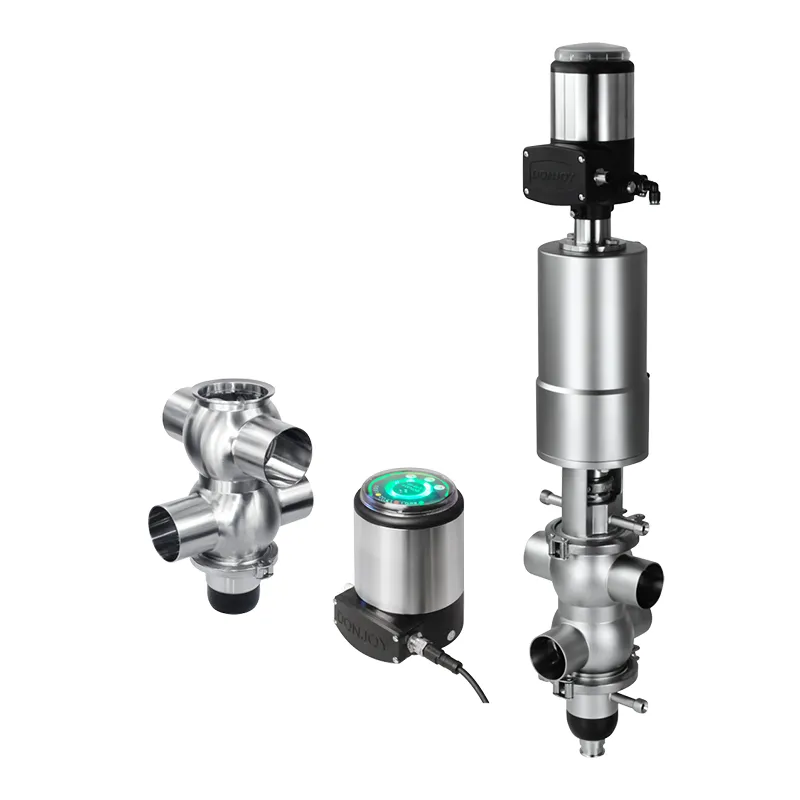
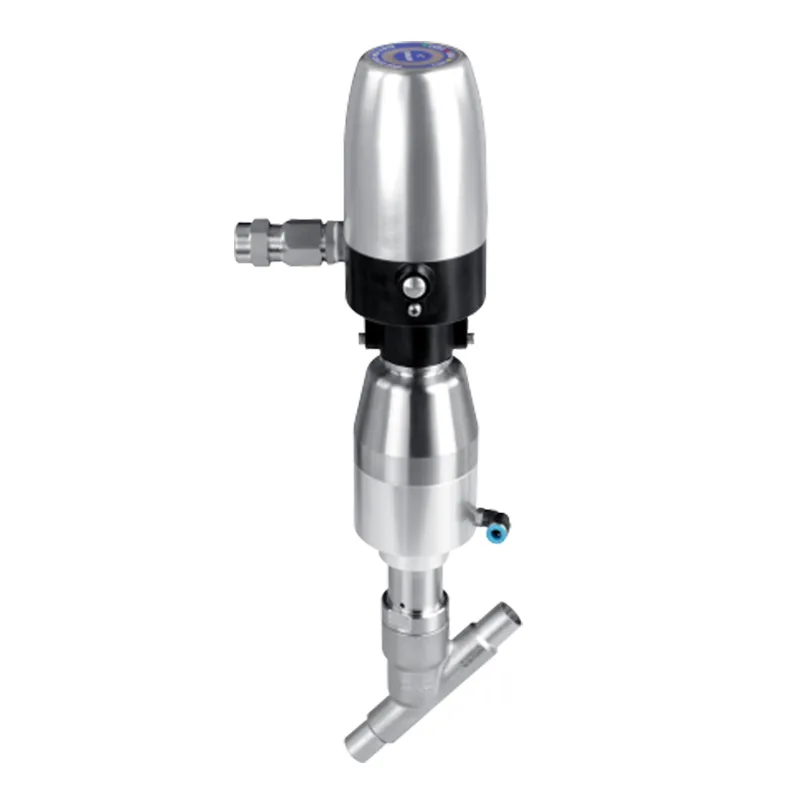
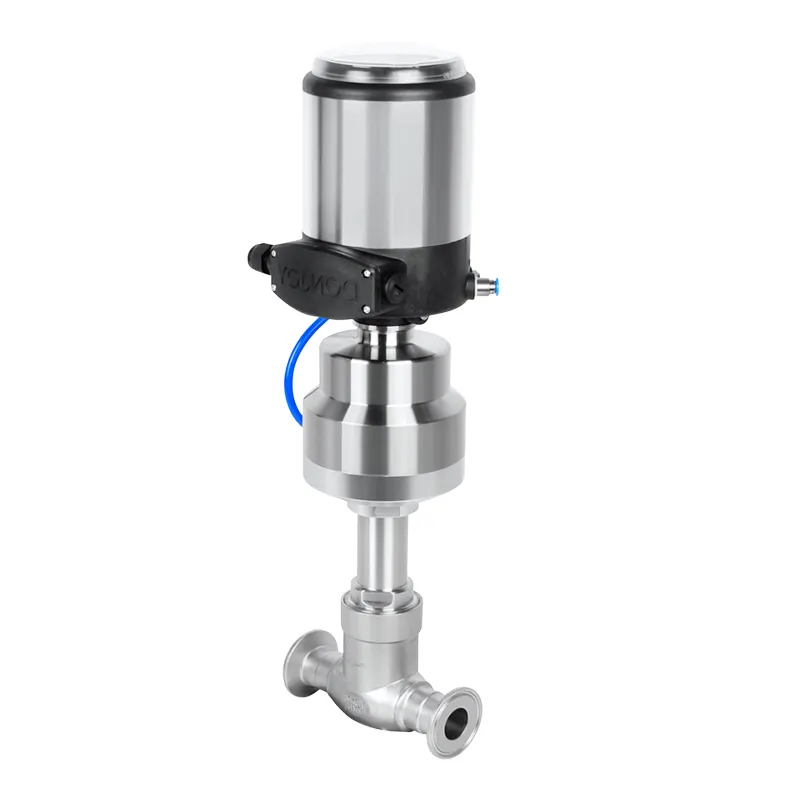
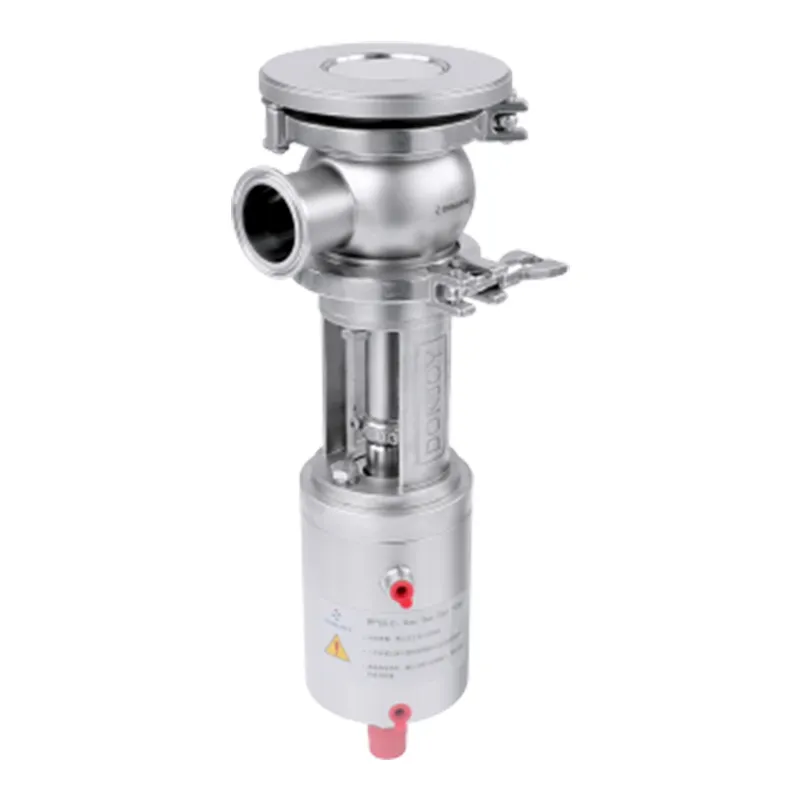
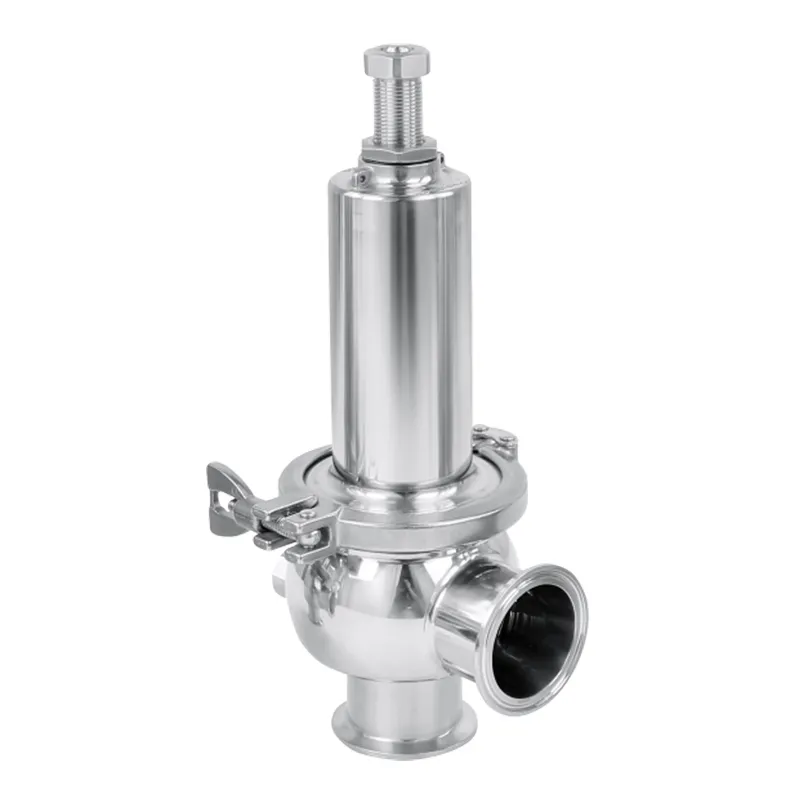
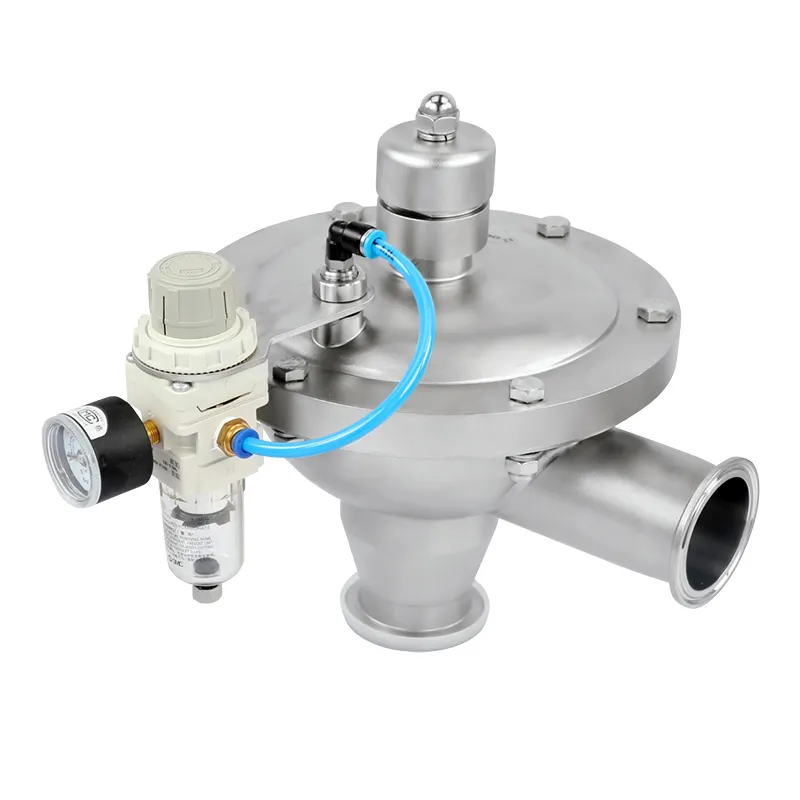
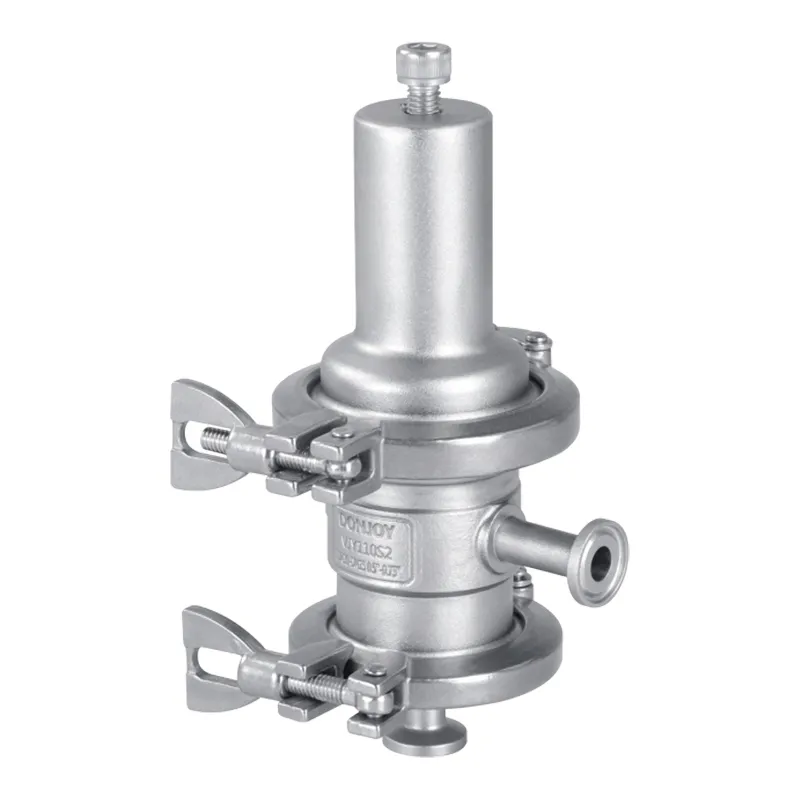
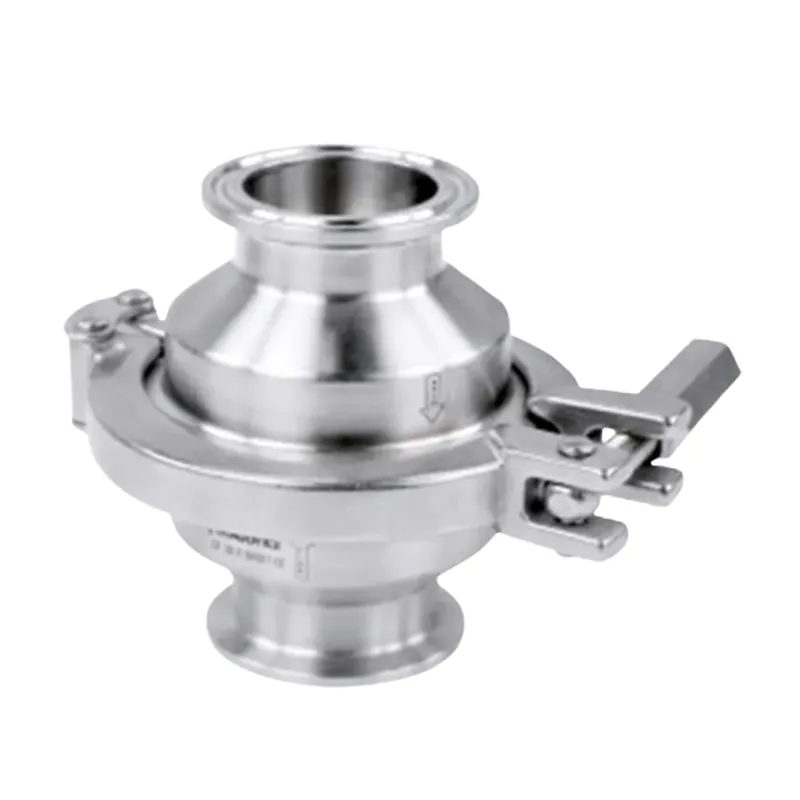
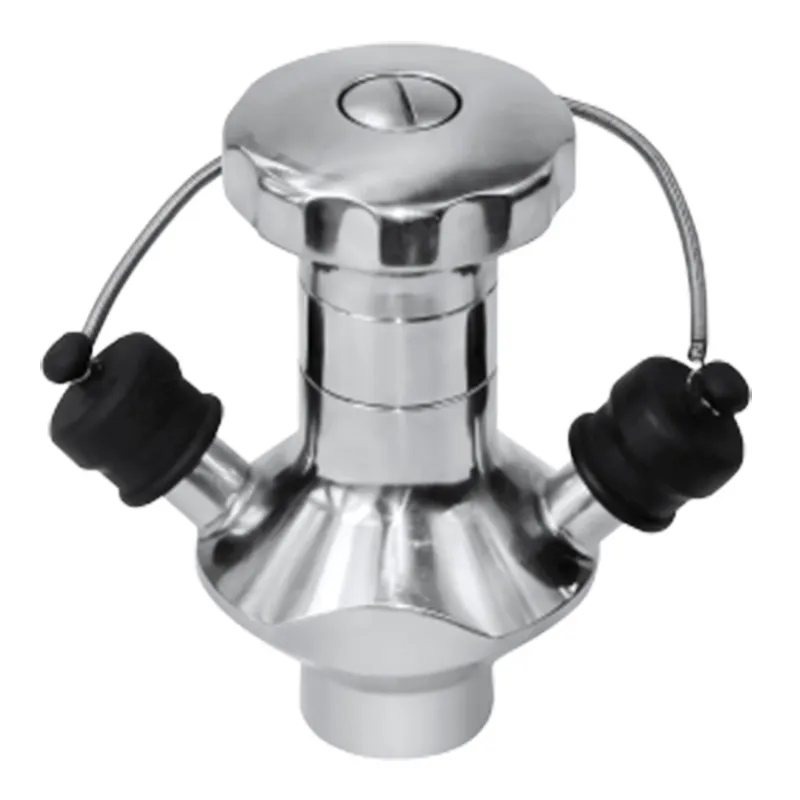
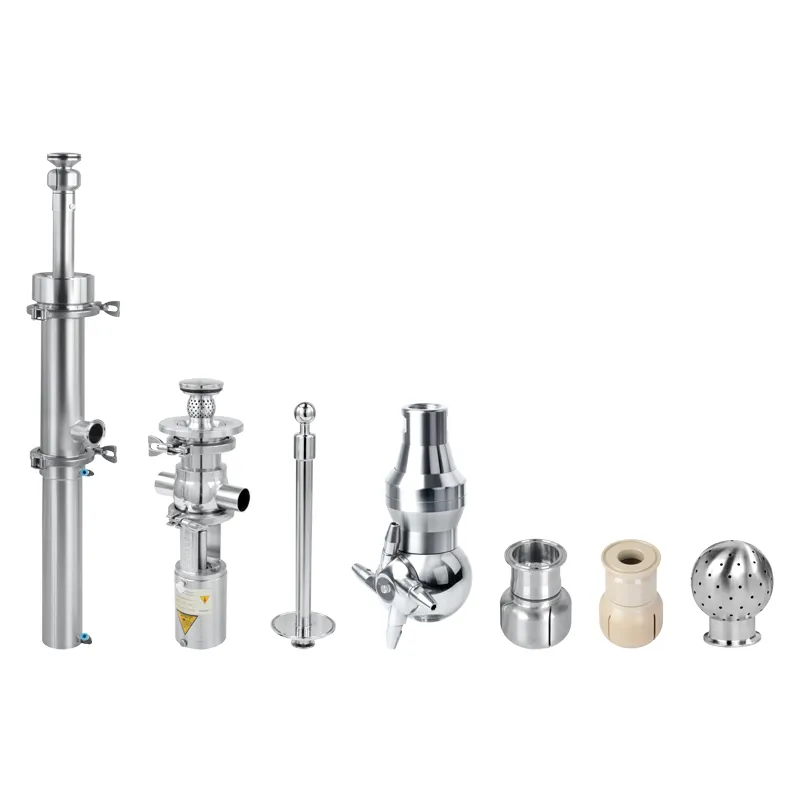
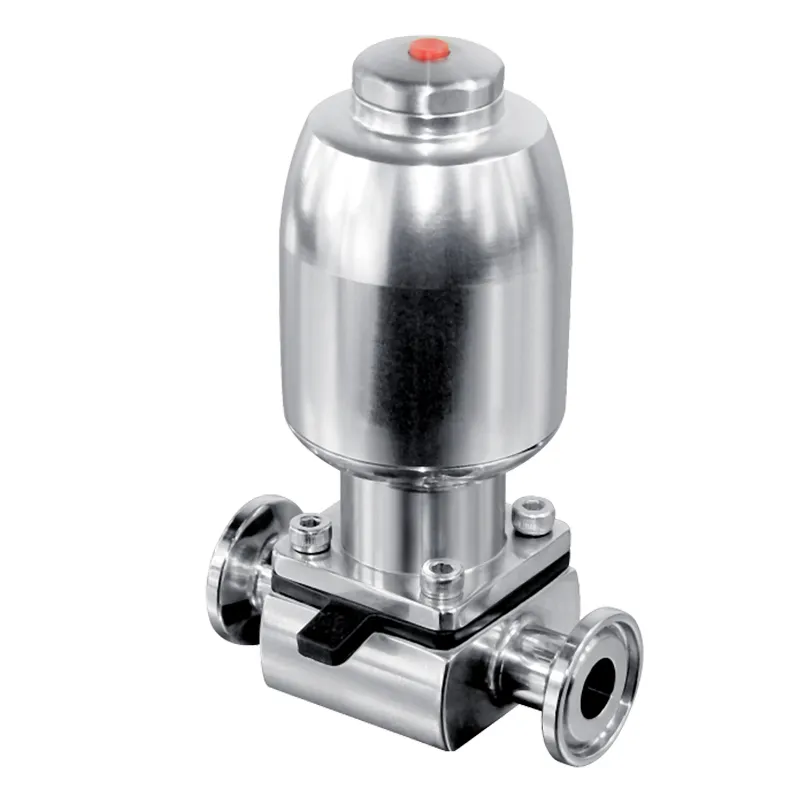
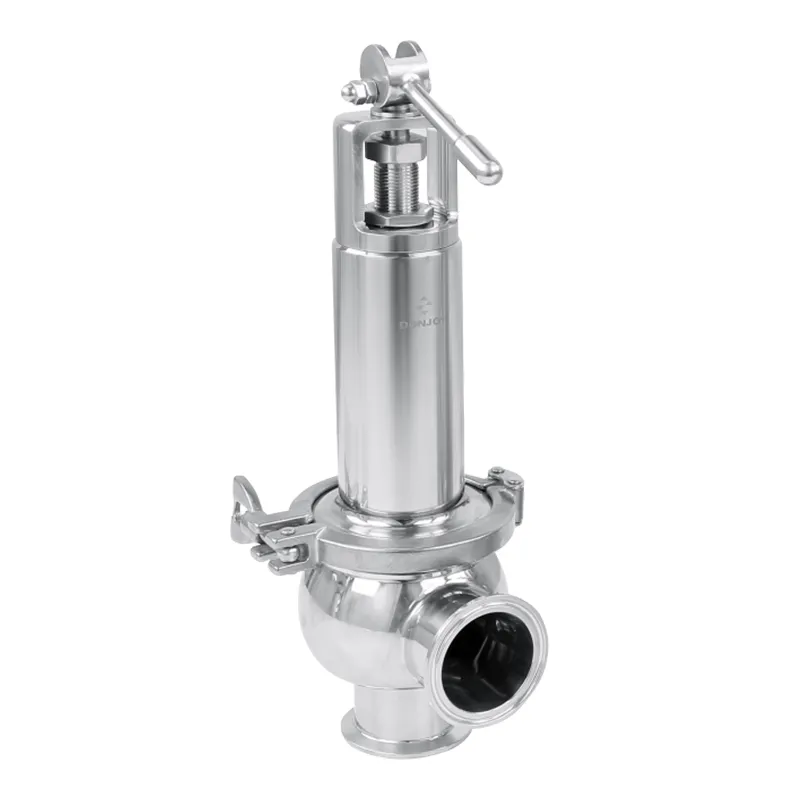
In hygienic and aseptic processing environments—including pharmaceutical manufacturing, biotechnology, food and beverage production, and cosmetics—the choice of flow control technology can directly impact product purity, regulatory compliance, and operational uptime. Among the various valve types available, the sanitary diaphragm valve stands out as the preferred solution for applications demanding absolute contamination control, superior cleanability, and precise flow regulation.
This guide explores the fundamental diaphragm valve purpose, key diaphragm valve design considerations, critical diaphragm valve material selection factors, and why partnering with a reputable diaphragm valve company can transform your process reliability.
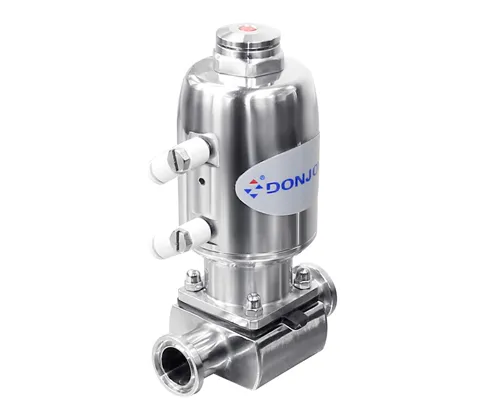
Before evaluating the advantages of sanitary diaphragm valves, it is essential to establish a clear diaphragm valve definition. A diaphragm valve is a type of linear motion valve that uses a flexible diaphragm as the closing member to control fluid flow. To be precise, a diaphragm valve is a clamp-type valve that employs a diaphragm to close the flow channel, cut off the fluid, and completely separate the valve body cavity from the valve cover cavity.
The operating mechanism is fundamentally different from traditional valves. When the valve is closed, a compressor or pressure pad pushes the flexible diaphragm downward against a weir or seat in the valve body, creating a tight seal. When opened, the diaphragm lifts away from the flow path, allowing fluid to pass through. The diaphragm serves a dual role: it provides the sealing function and acts as a barrier between the process fluid and the valve's internal operating components. This separation means that no packing, seals, or lubricants come into contact with the product, making the diaphragm valve inherently hygienic. The diaphragm is typically made from elastic, corrosion-resistant, impermeable materials such as EPDM, PTFE, silicone, or FPM (Viton), each offering distinct chemical and thermal resistance properties.
Unlike conventional valves where moving parts contact the fluid, the diaphragm creates a complete physical barrier between the product and the environment. This fundamental distinction serves several critical purposes:
Contamination Prevention: The diaphragm isolates the process fluid from the actuator, valve stem, and external atmosphere, ensuring no lubricants, particulates, or microorganisms can enter the product stream.
Aseptic Operation: With no paths to the outside environment, the diaphragm valve is uniquely suited for aseptic processes where even microscopic contamination can compromise product safety.
Bubble-Tight Shutoff: The flexible diaphragm conforms tightly to the valve seat, achieving a reliable, leak-proof seal even when handling slurries, viscous fluids, or media containing particulates.
Versatile Flow Control: Diaphragm valves excel in both on/off isolation and precise throttling (modulating) duties, offering flexibility across various process stages where precise flow control is necessary.
The weir-type design features a saddle-like weir (raised barrier) across the flow path within the valve body. When the valve closes, the diaphragm seals against this weir, effectively isolating the inlet from the outlet. This design offers:
Excellent sealing performance even when solids or particulates are present in the fluid
Precise throttling capability due to the gradual closing action
Compact body dimensions suitable for space-constrained installations
Proven reliability in pharmaceutical and biotech applications
Straight-through designs eliminate the weir, creating an uninterrupted flow path with minimal pressure drop. The diaphragm seals directly against a flat seat in the body. This design provides:
Higher flow coefficients (Kv factors) due to reduced flow resistance
Self-draining characteristics ideal for Clean-in-Place (CIP) applications
Lower turbulence making them suitable for shear-sensitive products
Enhanced cleanability with no crevices or entrapment areas
When considering Total Cost of Ownership, the maintenance and cleaning efficiency of the valve are paramount. Traditional valves often require manual disassembly for thorough cleaning to reach internal crevices, a time-consuming and labor-intensive process.Sanitary Diaphragm Valves from the professional sanitary valve manufacturers excel in Clean-in-Place (CIP) and Sterilize-in-Place (SIP) environments. Their streamlined, pocket-free interior surfaces allow CIP fluids to flow unimpeded, achieving total internal surface contact for quick, effective sterilization. This dramatically reduces:
Downtime: CIP cycles are shorter and more reliable, boosting operational uptime.
Labor Costs: Eliminates the need for frequent manual stripping and reassembly of complex valve components.
Furthermore, maintenance is simple: replacing the diaphragm—the only component that contacts both the process and the atmosphere—is quick and requires no specialized tools, ensuring long-term operational integrity.
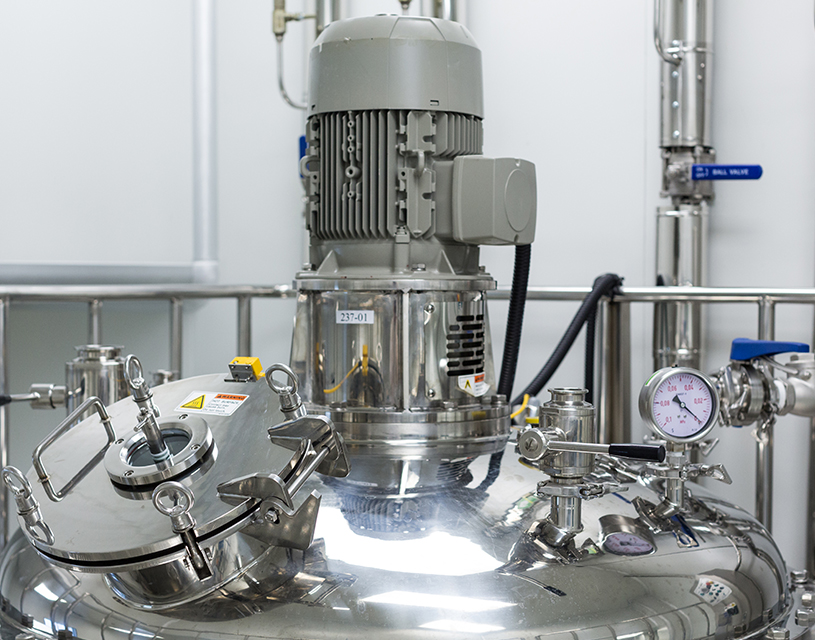
Donjoy's Sanitary Diaphragm Valves are exceptionally versatile, suitable for processes ranging from high-purity water systems to viscous slurries. Their ability to handle both on/off and throttling (modulating) duties makes them flexible across various stages, especially where precise flow control is necessary. Crucially, the diaphragm provides a highly reliable, bubble-tight shutoff, essential for protecting downstream equipment and ensuring the correct volume transfer in batch processes. Whether you are dealing with aggressive chemicals in a WFI (Water for Injection) system or sensitive media in fermentation, the choice of diaphragm material can be tailored to the specific chemical and thermal requirements, guaranteeing the longevity and safety of your system.
| Feature | Sanitary Diaphragm Valve | Sanitary Ball Valve |
| Flow Control | Excellent for throttling and on/off | Primarily on/off, limited throttling |
| Contamination Risk | Zero—fluid contacts only body and diaphragm | Minimal, but seats and seals may trap residues |
| Pressure Rating | Lower (typically PN10–PN16) | Higher (suitable for high-pressure systems) |
| Fluid Handling | Gentle—ideal for shear-sensitive products | Higher shear, may damage sensitive fluids |
| Dead Legs | None—pocket-free flow path | Potential cavities around ball and seats |
| Maintenance | Simple diaphragm replacement | Ball and seat replacement more complex |
When evaluating a diaphragm valve company for your sanitary processing needs, consider the following criteria:
Industry Experience: Look for companies with proven track records in your target industries (pharmaceutical, biotech, food and beverage, personal care). Alfa Laval, Donjoy, INOXPA, Covna, and Chemline represent established manufacturers with extensive hygienic application expertise.
Quality Certifications: Reputable diaphragm valve company partners hold ISO 9001 certification and provide full documentation for material traceability, including mill certificates and FDA compliance statements.
Customization Capabilities: Can the company offer custom sizes, diaphragm materials (EPDM, PTFE, silicone, FPM), actuation options (manual, pneumatic, electric), and connection standards (Tri-Clamp, weld, flanged)?
Technical Support: Reliable manufacturers provide installation guidance, troubleshooting assistance, and responsive customer service to minimize downtime.
Surface Finish Quality: For hygienic applications, verify that the company offers electropolished internal surfaces (Ra ≤ 0.5 µm or better), which are essential for cleanability and contamination prevention.
Testing and Traceability: Each valve should be individually tested and numbered for quality assurance, with full traceability back to production batches.
The Sanitary Diaphragm Valve is the definitive choice for hygienic and aseptic applications, offering structural superiority over other valve technologies. By providing a sealed, pocket-free flow path, simplifying CIP/SIP validation, and ensuring high reliability, Donjoy's diaphragm valves safeguard product purity and maximize operational efficiency. When absolute integrity is non-negotiable, choose Donjoy's commitment to aseptic design.