May 20, 2026
Blog

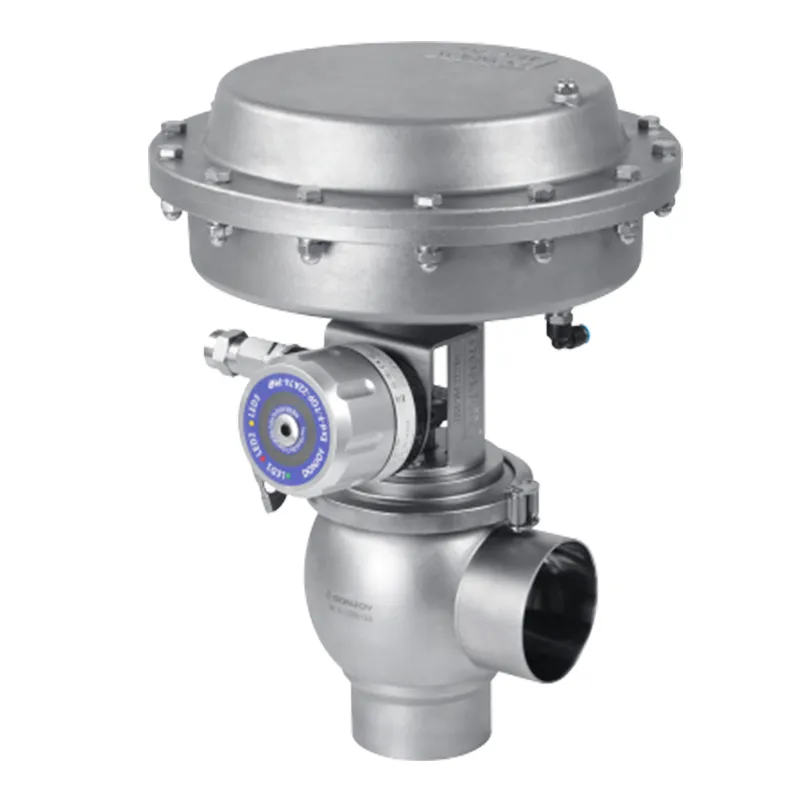
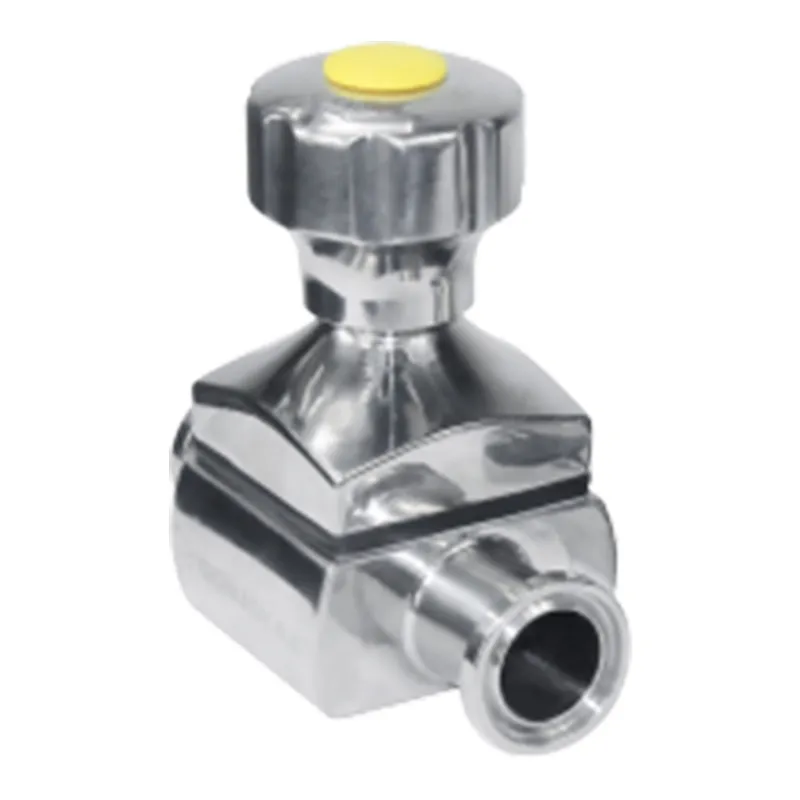
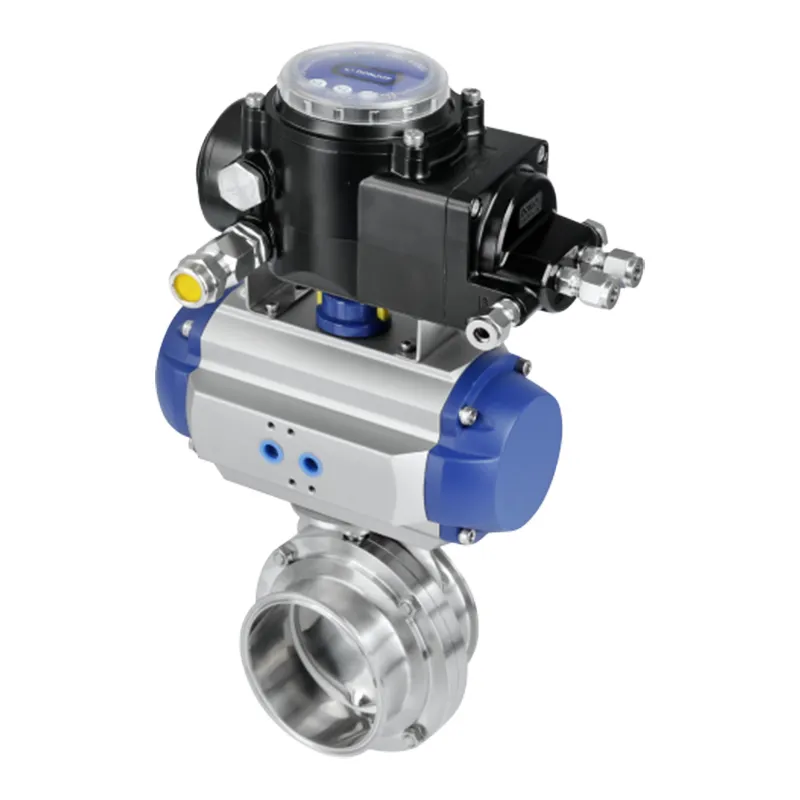
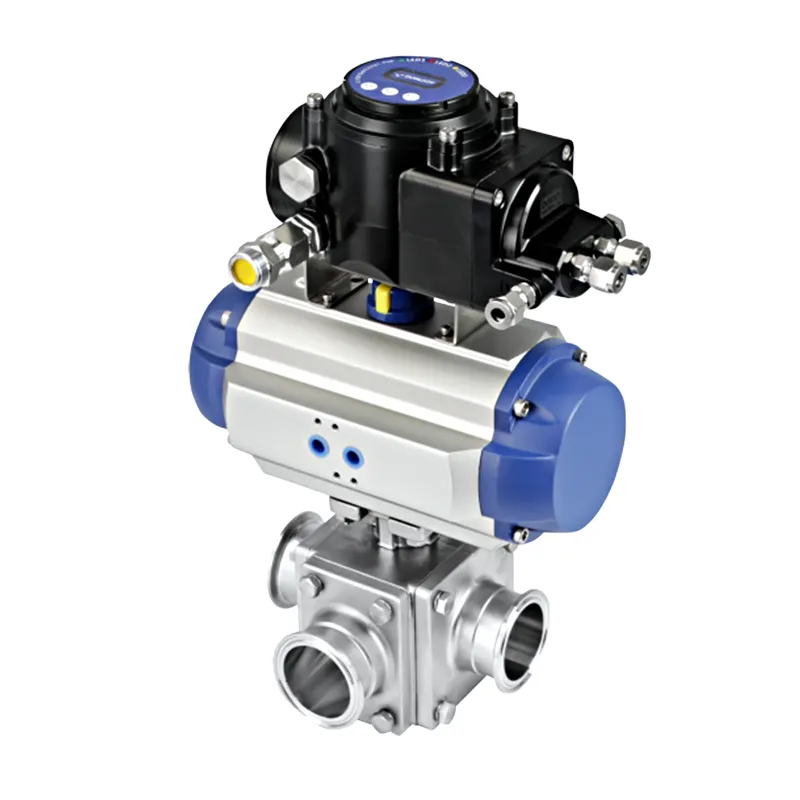
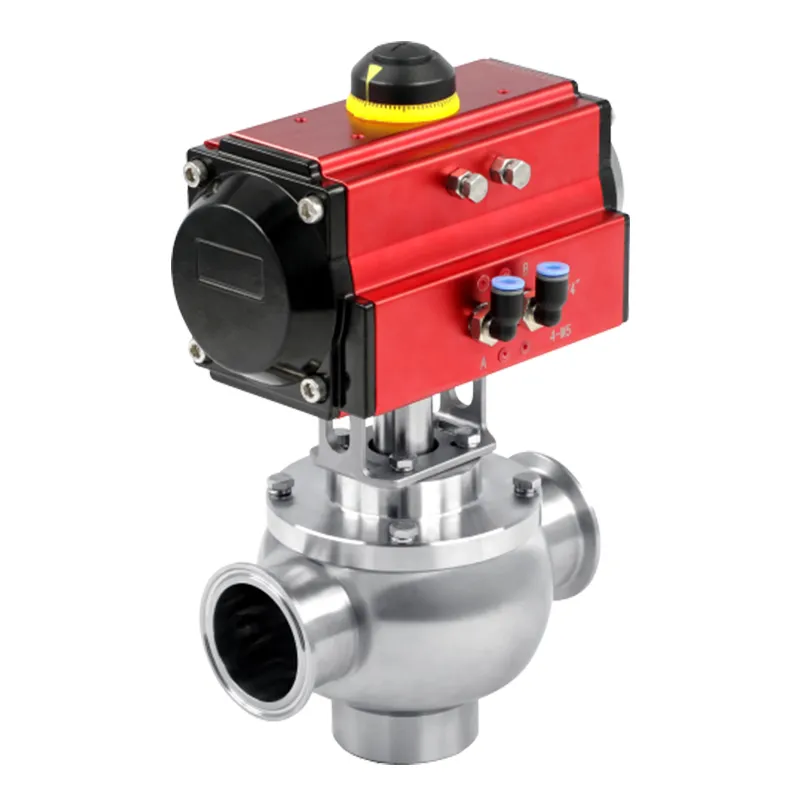
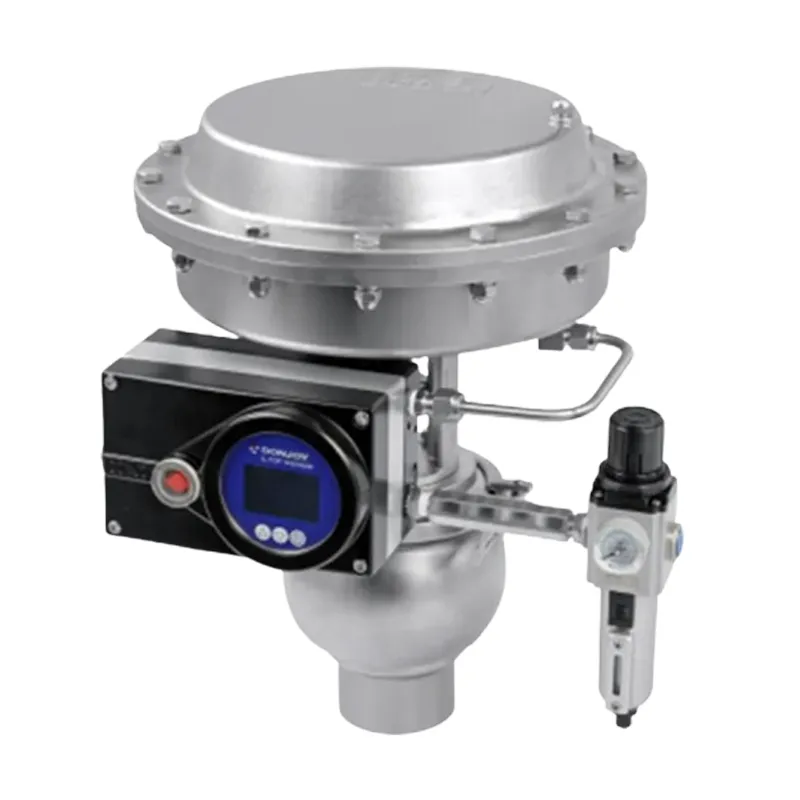
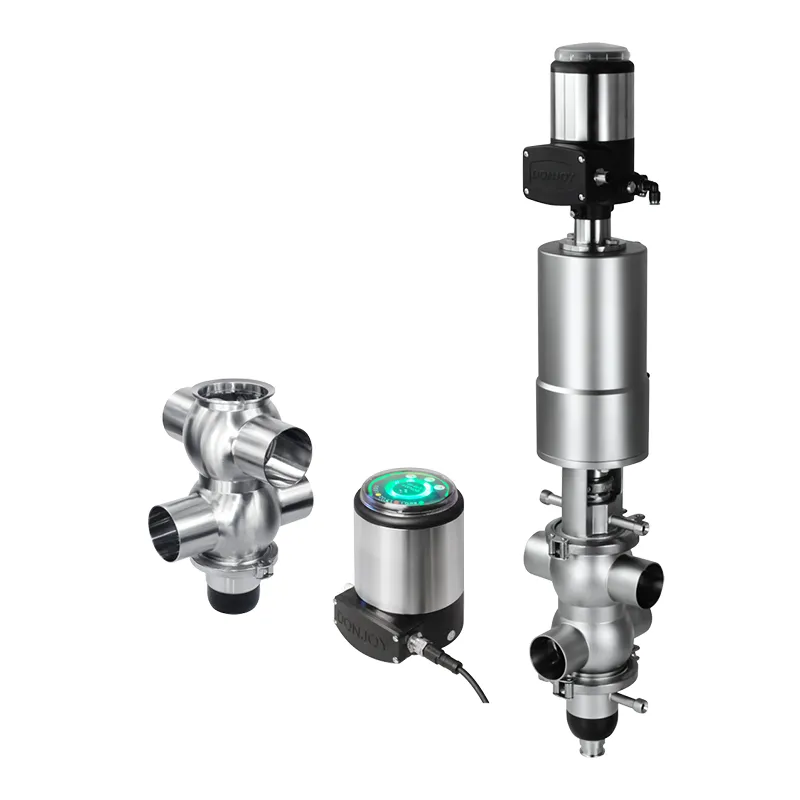
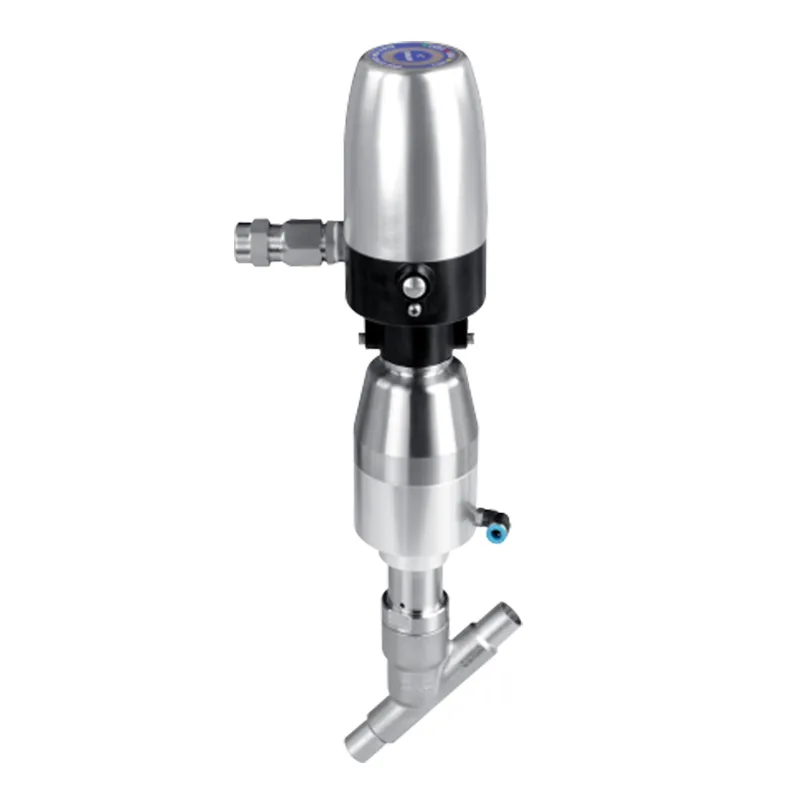
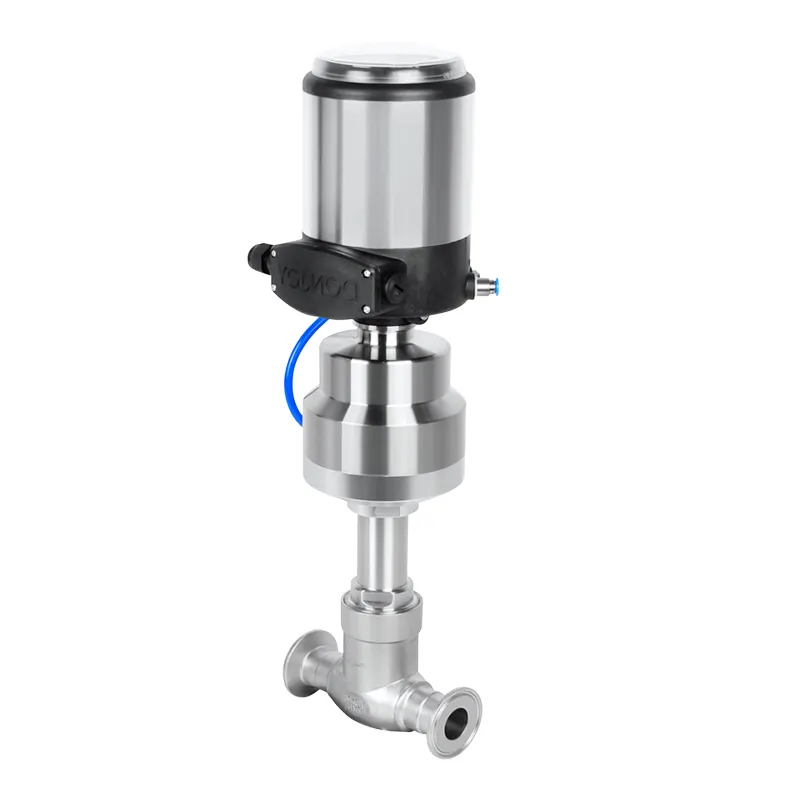
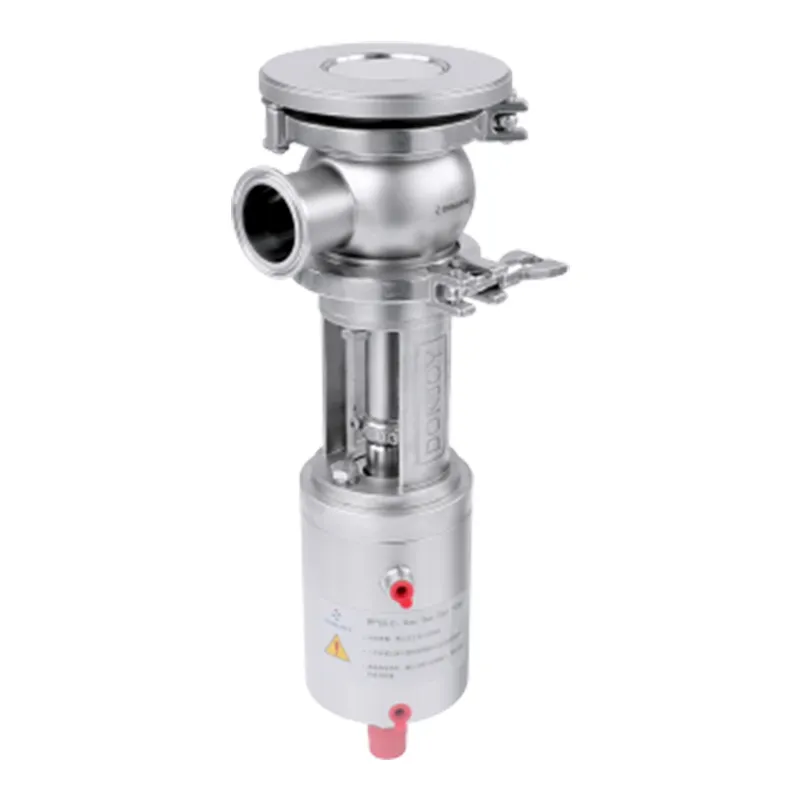
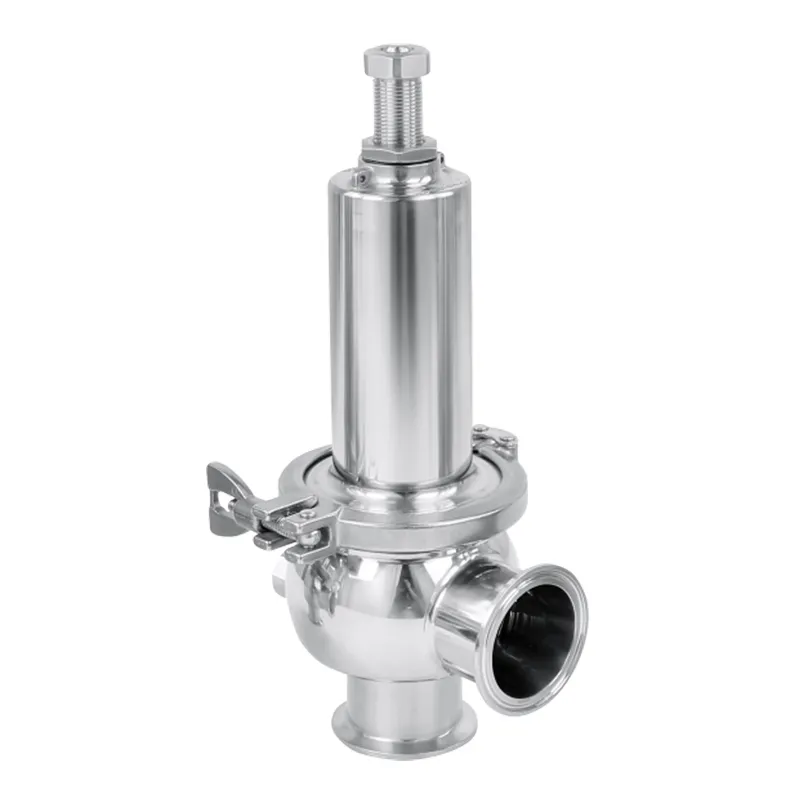
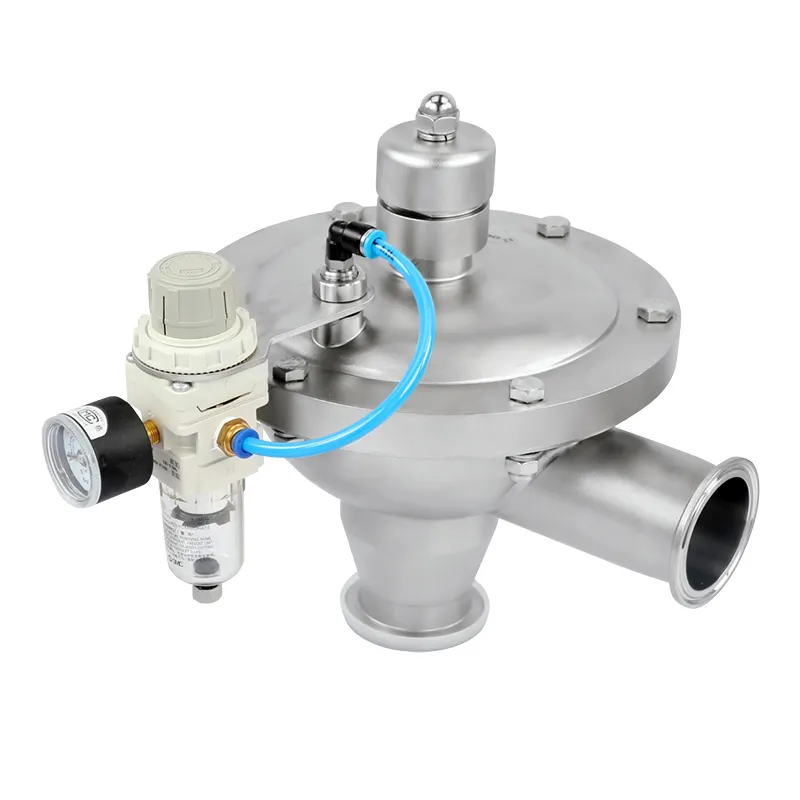
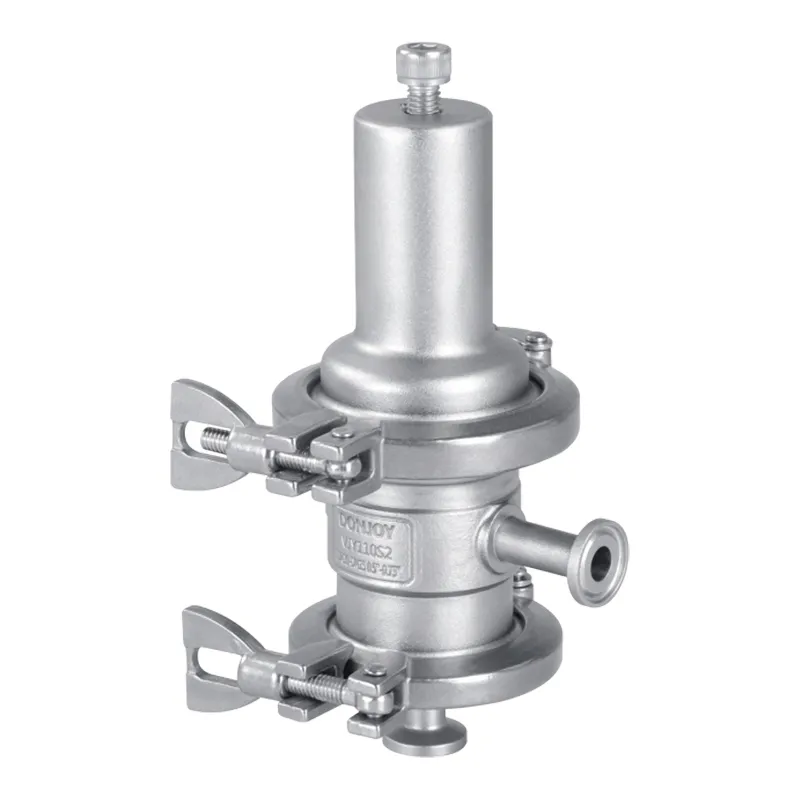
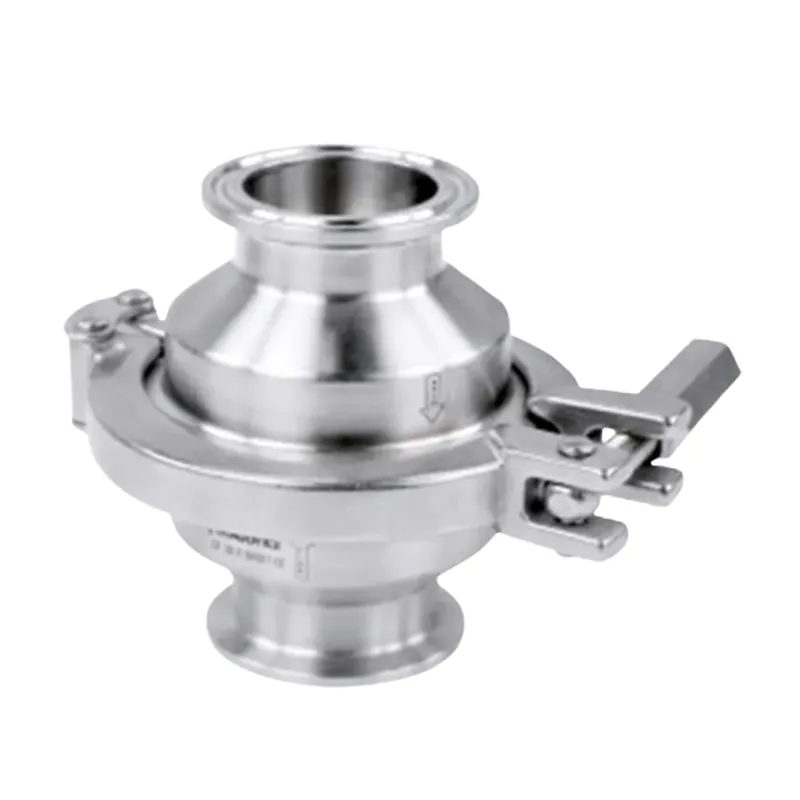
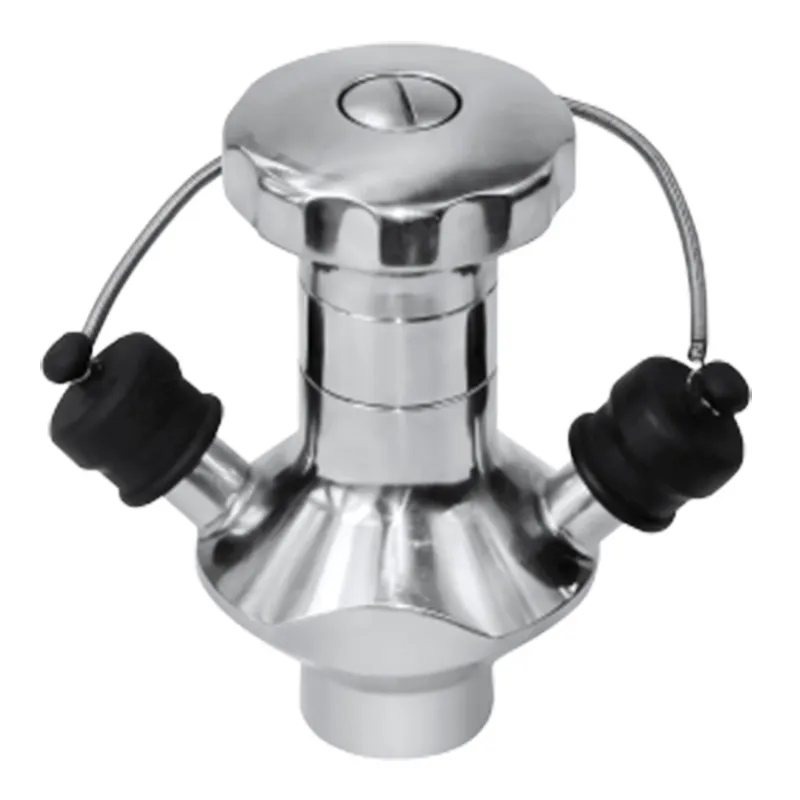
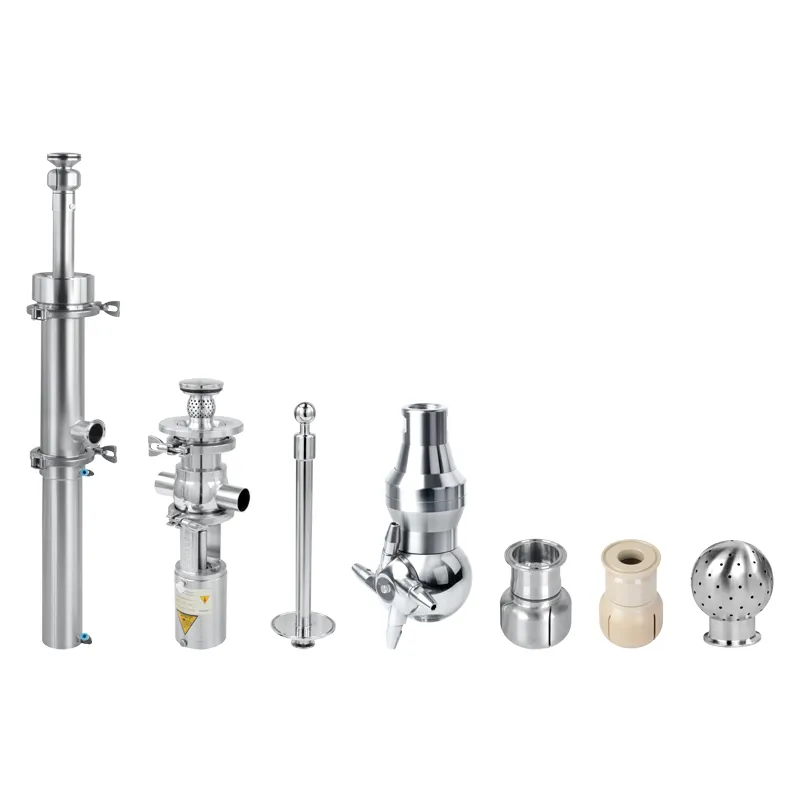
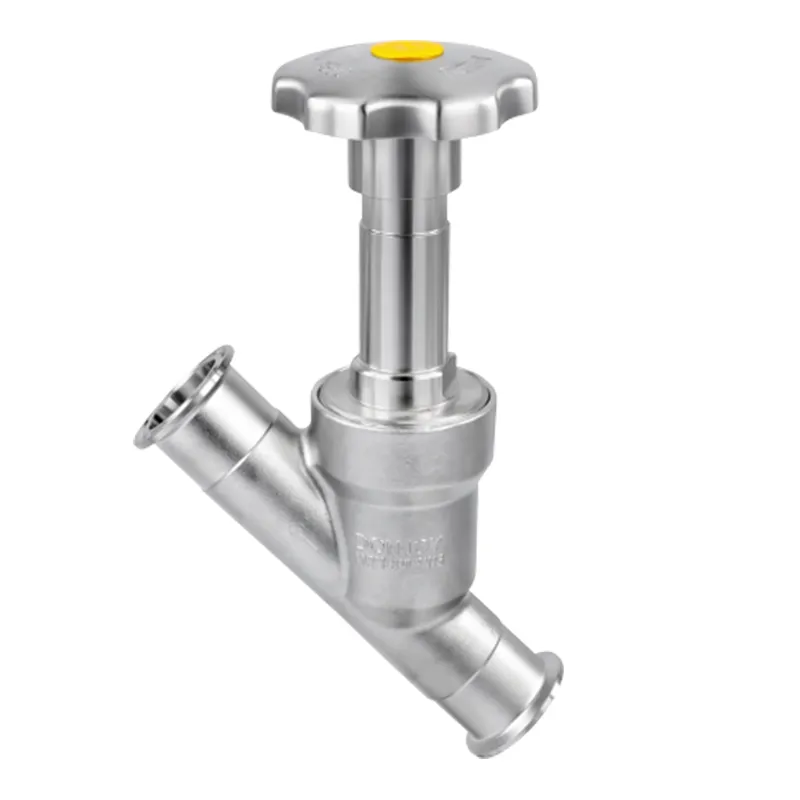
For hygienic processing facilities, every minute of downtime translates directly into lost revenue. Whether you are operating in food and beverage, pharmaceutical, or biotech manufacturing, the efficiency of your flow control components is critical. This is where the sanitary butterfly valve comes into play. Its innovative design not only ensures contamination-free operation but also delivers significant advantages in installation speed and overall system uptime. In this comprehensive guide, we will explore how the proper installation and selection of a sanitary butterfly valve can transform your production line's reliability, while also offering practical advice on choosing the right partners among sanitary butterfly valves manufacturers and stainless butterfly valve suppliers.
One of the most significant installation benefits of the Donjoy Sanitary Butterfly Valve is its compatibility with quick-clamp connections. Unlike traditional flanged or welded systems that require time-consuming preparation, precise alignment, and permanent sealing procedures, quick-clamp connections allow technicians to:
Reduce Installation Time: Valves can be mounted and secured in minutes using simple hand tools, drastically accelerating new line commissioning or system modifications.
Simplify Reconfiguration: When process layouts change or equipment needs to be moved, the quick-clamp system allows for non-destructive removal and reinstallation.
Ensure Repeatability: The connection method ensures a secure, leak-proof seal every time, which is essential for maintaining the bubble-tight shut-off capability of the valve.
This design feature allows processing facilities to achieve rapid commissioning and superior operational flexibility right from the start.
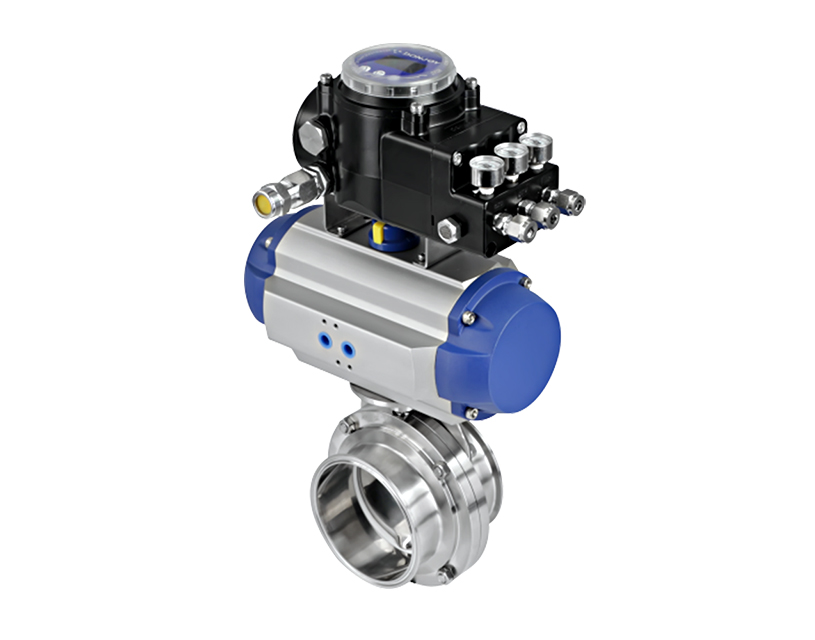
The Sanitary Butterfly Valve from Donjoy features versatile mounting options that accommodate diverse piping configurations across a facility. Whether the valve needs to be installed vertically or horizontally, the robust and compact design allows for flexible placement without compromising performance or integrity.
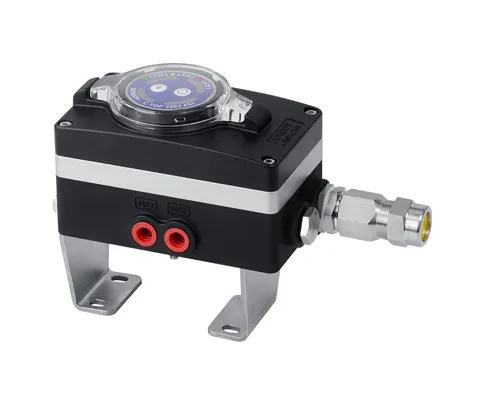
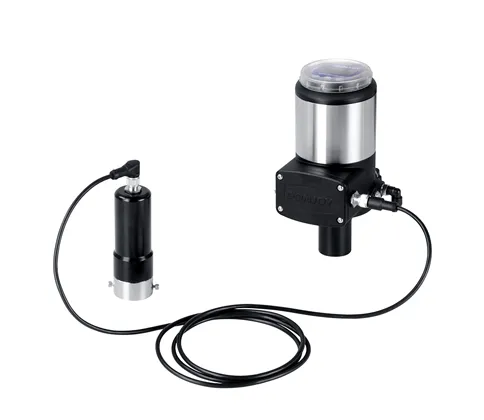
Furthermore, the integration of automation is streamlined. The valve supports manual, pneumatic, and electric actuation with standardized mounting interfaces. This makes upgrading from manual control to automated control—using actuators with position feedback systems—a simple, modular process. This ease of upgrading provides a cost-effective pathway to process automation and real-time control, ensuring the valve's utility evolves with your facility's needs. The specified operating temperature range of -20℃ to +130℃ (depending on seal materials) also attests to its robust applicability across varied processing temperatures.
When specifying valves for hygienic applications, the choice of material is paramount. A stainless steel sanitary butterfly valve offers superior corrosion resistance, durability in high‑pressure and high‑temperature environments, and low maintenance requirements. Donjoy utilizes high‑grade 304 and 316L stainless steel, ensuring that the valve body, disc, and stem withstand aggressive cleaning agents and demanding process media without degrading.
The smooth surface finish (Ra ≤ 0.8μm) of the stainless steel sanitary butterfly valve prevents bacterial adhesion and product accumulation, making it fully compatible with Clean‑In‑Place (CIP) and Sterilize‑In‑Place (SIP) protocols. This hygienic design directly contributes to longer service life and reduced maintenance frequency, two key factors in maximizing uptime.
Maintenance is an inevitable part of plant operation, but the Donjoy Sanitary Butterfly Valve is designed to minimize its impact. The easy disassembly afforded by the quick-clamp connections is mirrored in the simplicity of servicing the valve itself. The streamlined design and precision-machined disc minimize internal wear.
When seals eventually need replacement, the process is fast and straightforward, drastically reducing the labor hours typically associated with valve maintenance. Combined with the smooth surface finishes (Ra≤0.8μm) and full CIP/SIP compatibility, the valves are kept hygienically clean without manual intervention, extending the service life of the seals and reducing maintenance frequency—all contributing to higher overall operational uptime.
Not all valves are created equal, and the performance of your system depends heavily on the quality of the components you select. When evaluating sanitary butterfly valves manufacturers, consider the following criteria:
Quality Certifications: Reputable manufacturers hold ISO 9001 certification and provide full documentation for material traceability, especially for critical components like stem shafts and sealing discs.
Hygienic Compliance: For food, dairy, and pharmaceutical applications, verify that the manufacturer complies with 3A, FDA, and EHEDG standards.
Surface Finish Specifications: Look for manufacturers that offer Ra ≤ 0.8μm (or better) electropolished surfaces, which are essential for cleanability and contamination prevention.
Testing and Traceability: Each valve should be individually tested and numbered for quality assurance and full traceability back to production batches.
Working with experienced sanitary butterfly valves manufacturers ensures that you receive valves that not only meet regulatory requirements but also deliver consistent, long‑term performance in your specific application.
Selecting the right stainless butterfly valve suppliers is equally important to guarantee supply chain reliability and product consistency. The global market for sanitary quick‑install butterfly valves is projected to reach $1.5 billion by 2032, reflecting strong demand and the need for trusted partners. When vetting stainless butterfly valve suppliers, focus on:
Industry Experience: Suppliers with a proven track record in your industry (food, beverage, pharmaceutical, biotech) understand the unique challenges of hygienic processing.
Customization Capabilities: Can the supplier offer customized sizes, seal materials (EPDM, PTFE, Viton, silicone), and actuation options to match your exact process requirements?
After‑Sales Support: Reliable stainless butterfly valve suppliers provide technical documentation, installation guidance, and responsive customer service to minimize downtime during emergencies.
Global Compliance: Verify that suppliers can provide valves meeting ISO, DIN, 3A, SMS, and ASME BPE standards, along with FDA CFR 177.2600 compliance for seal materia
By leveraging rapid quick‑clamp connections, versatile mounting options, and simplified maintenance procedures, Donjoy helps facilities minimize installation time, reduce labor costs, and maximize production uptime. Whether you are sourcing from trusted sanitary butterfly valves manufacturers or evaluating stainless butterfly valve suppliers, prioritizing quality, compliance, and ease of maintenance will pay dividends in operational reliability. A properly selected and installed stainless steel sanitary butterfly valve is not merely a component—it is a strategic investment in your facility’s productivity and profitability.
For more information on how Donjoy’s sanitary butterfly valve can enhance your hygienic processing operations, contact our team of experts today.
A sanitary butterfly valve is specifically designed for hygienic applications in industries such as food, beverage, and pharmaceuticals. Unlike standard industrial butterfly valves, sanitary versions use high‑purity stainless steel (304 or 316L), feature electropolished internal surfaces (Ra ≤ 0.8μm), and employ quick‑clamp (tri‑clamp) connections for easy disassembly and cleaning. Standard butterfly valves, in contrast, may have rougher finishes and are not designed for CIP / SIP compatibility.
A stainless steel sanitary butterfly valve offers outstanding corrosion resistance, durability in high‑temperature and high‑pressure environments, and full compatibility with aggressive cleaning agents and process media. Stainless steel also provides a smooth, non‑porous surface that prevents bacterial growth and product adhesion, making it the material of choice for hygienic processing lines.
Yes, most stainless steel sanitary butterfly valve models are designed with standardized ISO 5211 mounting interfaces, allowing seamless integration with pneumatic or electric actuators like pneumatic wafer butterfly valve. This enables easy upgrade from manual to automated control, with options for position feedback, limit switches, and smart positioners for real‑time process monitoring.
To prevent leakage, ensure proper installation torque is applied to quick‑clamp connections. Regularly inspect seals (EPDM, PTFE, Viton, or silicone) for signs of wear and replace them at recommended intervals. Also, verify that the valve is correctly sized for your application and that the pipeline is free of misalignment or excessive stress before installation.
Sanitary butterfly valves are widely used in food and beverage processing (dairy, brewery, juice production), pharmaceuticals and biotech, cosmetics, fine chemicals, and clean steam systems. Their hygienic design makes them ideal for any application requiring contamination‑free fluid handling and easy cleanability.