Jul 24, 2026
Blog

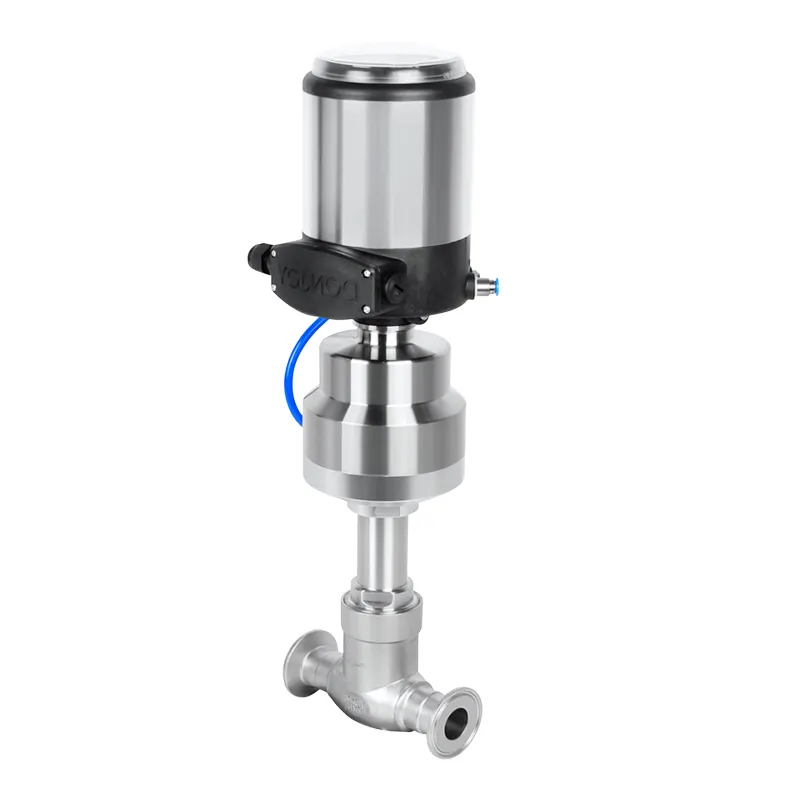
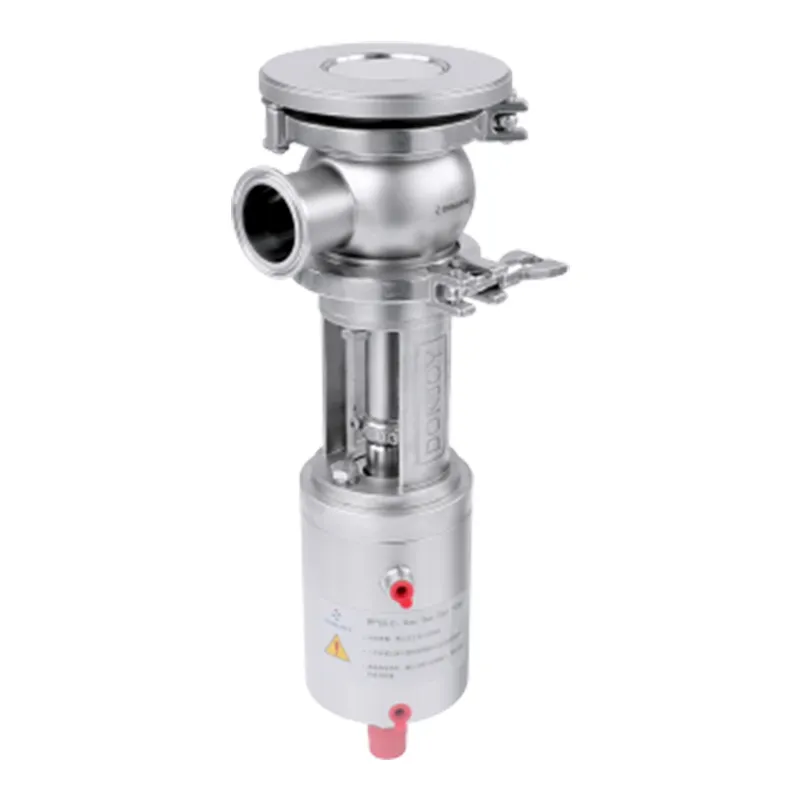
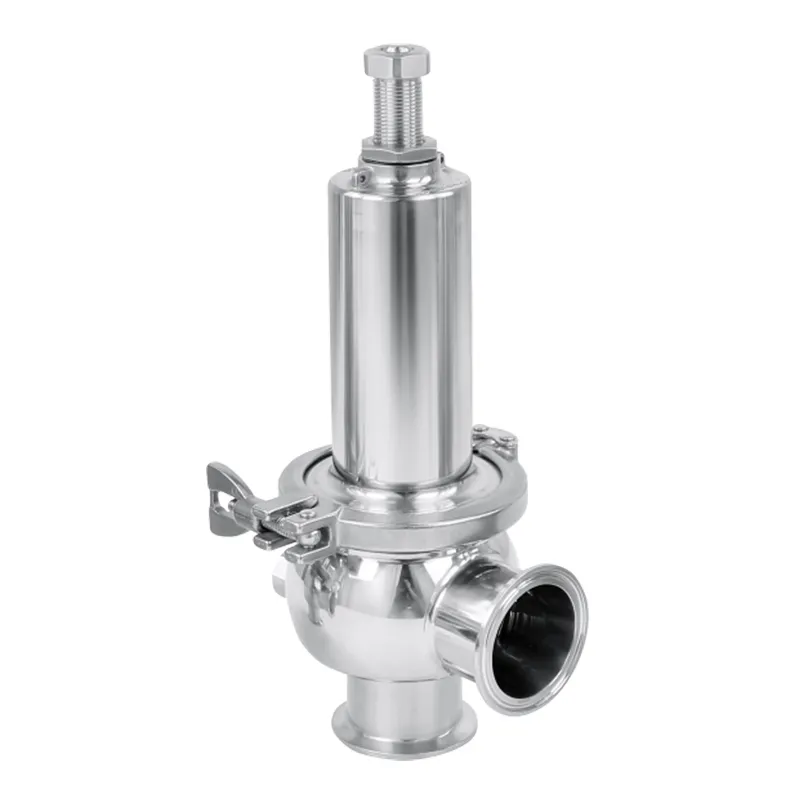
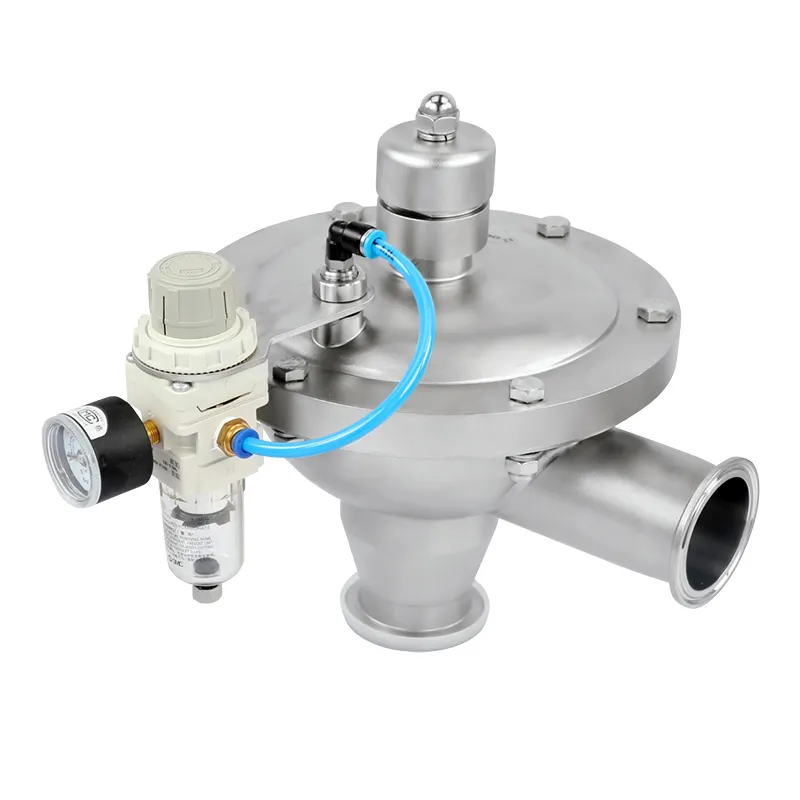
Choosing a Sanitary Centrifugal Pump starts with one question: what liquid must be transferred, and under what hygiene, flow, pressure, and cleaning conditions? For pharmaceutical and food processing lines, the right pump must match the process medium, support cleanability, fit the piping layout, and provide stable transfer. Working with a sanitary valve manufacturer or sanitary valve supplier that understands hygienic fluid systems can also help buyers coordinate pumps, valves, fittings, and cleaning requirements.
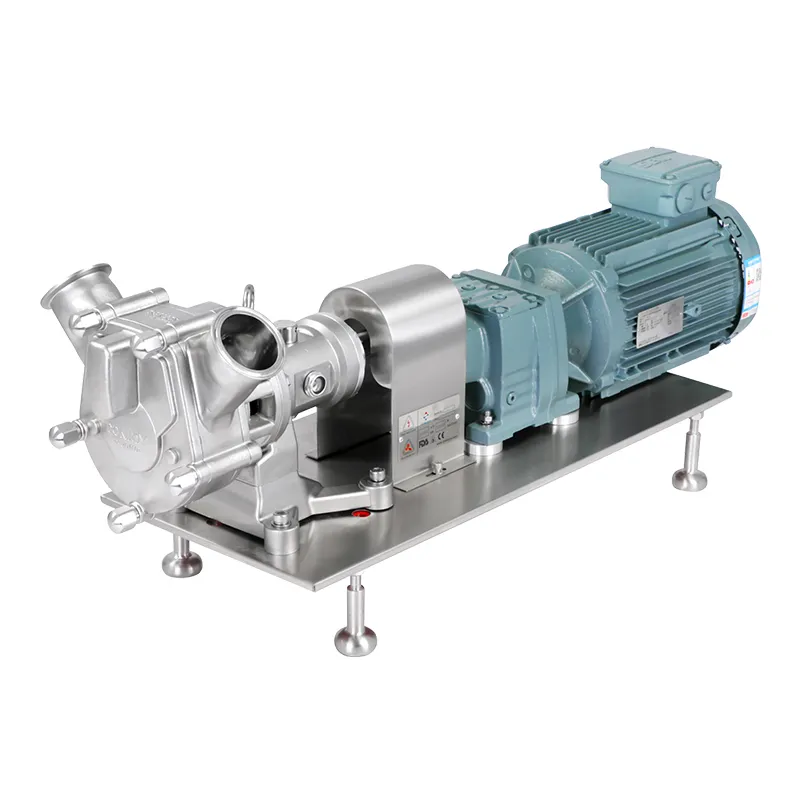
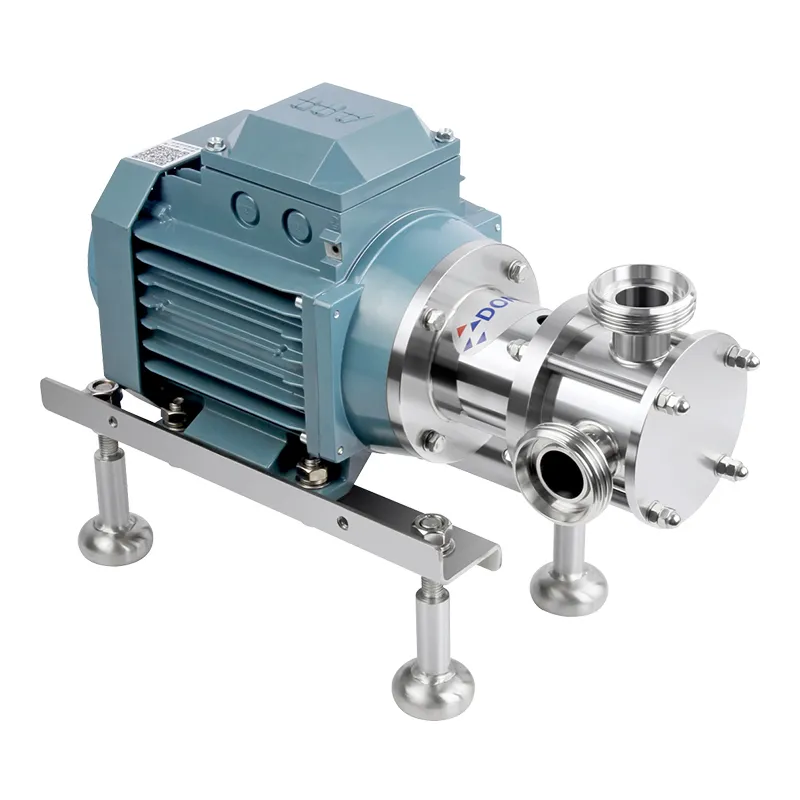
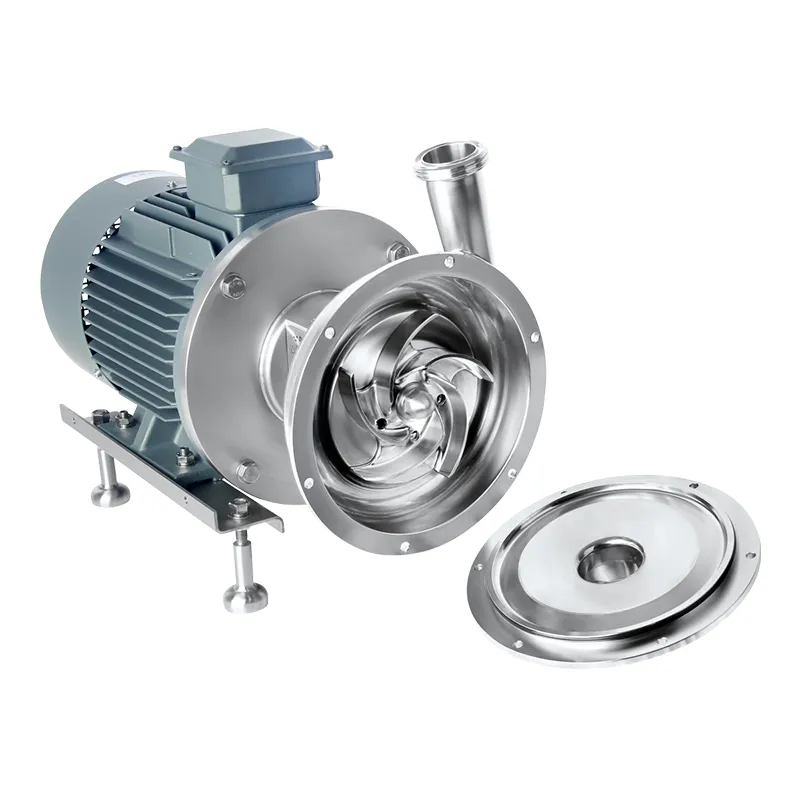
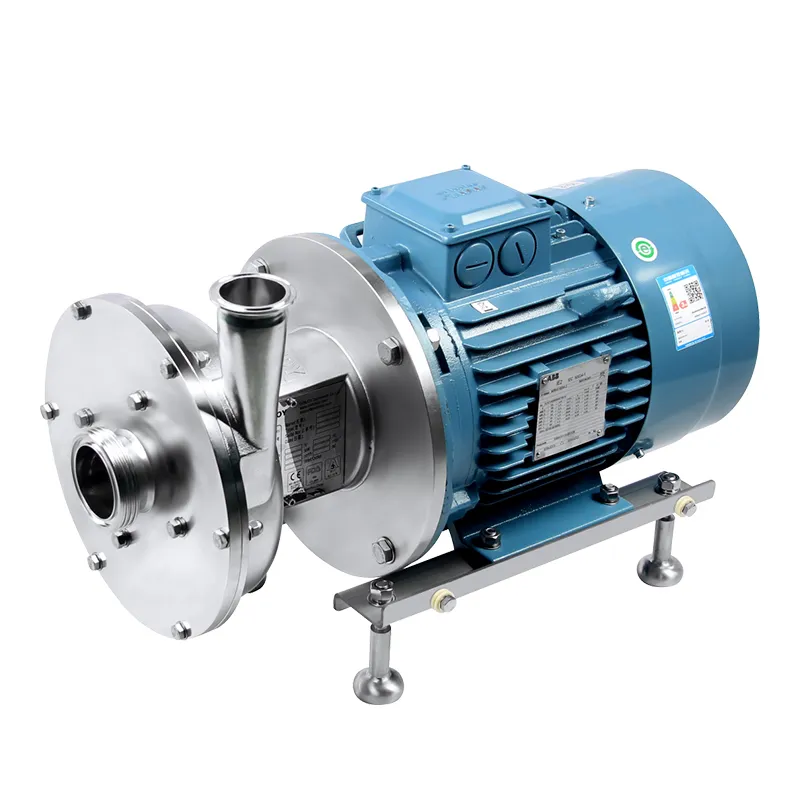
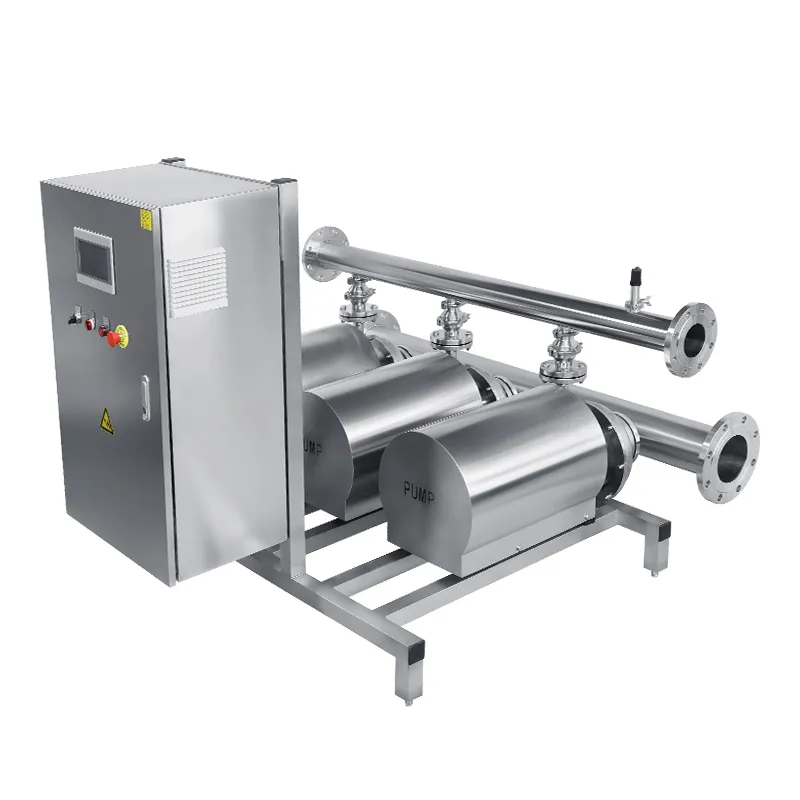
A sanitary centrifugal pump uses a rotating impeller to move liquid through a closed hygienic process line. It is commonly used for clean, flowable liquids in food, beverage, pharmaceutical, cosmetic, and other high-purity applications.
A sanitary centrifugal pump is suitable when the process requires efficient liquid transfer under hygienic conditions. For buyers evaluating a centrifugal pump sanitary solution, the key considerations include hygienic requirements, liquid characteristics, flow demand, and compatibility with the complete processing system. In a typical food or pharmaceutical line, it may be used for transferring water-like or moderately flowable liquids between tanks, mixers, heat exchangers, filling equipment, or CIP circuits, depending on project requirements.
For buyers comparing pump options, the key advantage of a centrifugal design is continuous flow. It is generally more suitable for transfer duties than for highly viscous products or products that require strong positive displacement behavior. If the medium is thick, shear-sensitive, or contains larger particles, the pump type should be reviewed carefully before purchase.
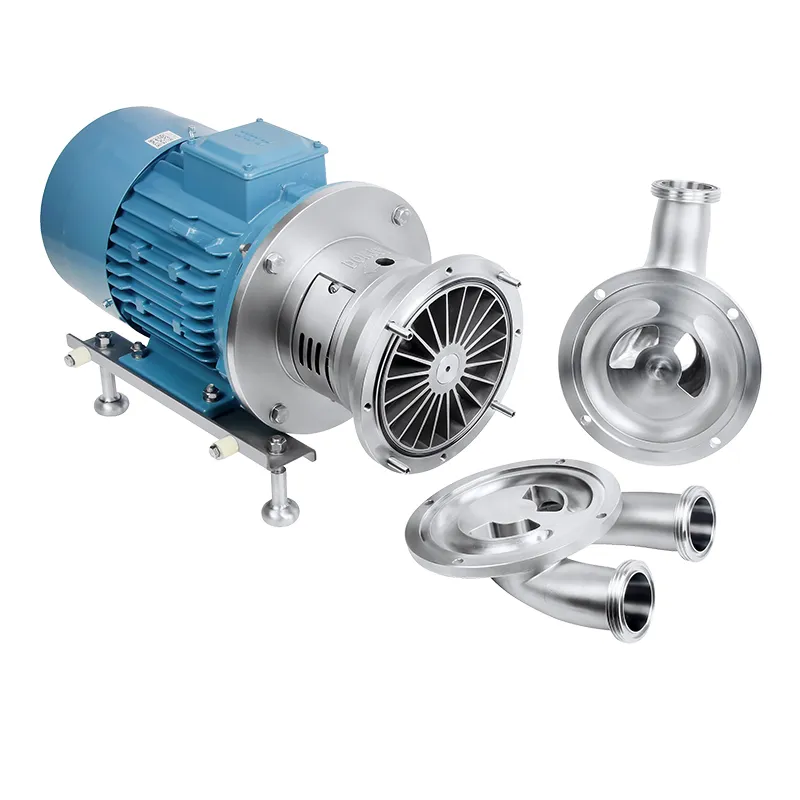
Donjoy's Sanitary Centrifugal Pump range is presented for high-purity applications and includes multiple centrifugal pump series, such as LX, KLX, CLX, DLX, MLX, ZLX, SLX, SCLX, and DJ-BS. The product page lists stainless steel 316L/304 construction, precision-machined surfaces, CIP/SIP compatibility, and applicability in biopharmaceutical, food, beverage, and chemical industries. For a project buyer, these details are useful starting points, but the final model should still be confirmed according to medium, required flow, head, connection, and line layout.
Start with process data, not the pump catalog. A sanitary pump selection becomes more accurate when the buyer can provide liquid characteristics, operating conditions, and cleaning expectations before asking for a quotation.
The first factor is flow rate. The pump must support the required production capacity without being oversized. Oversizing may increase cost and create unstable operation. Donjoy’s centrifugal pump page lists flows up to 120 m³/h and heads up to 70 m, which gives buyers a reference range for early screening, while exact selection still depends on the working point of the line.
The second factor is head pressure. In practical terms, head is affected by pipe length, pipe diameter, vertical lift, valves, elbows, filters, heat exchangers, and filling equipment. A pump that looks sufficient on flow may still underperform if the total system resistance is not considered.
The third factor is product contact material and surface finish. Donjoy lists SS304 or 316L stainless steel and smooth sanitary surfaces for its centrifugal pumps. For pharmaceutical and food processing lines, buyers should confirm which material grade is required for the product medium, cleaning chemistry, and procurement specification.
Before confirming a model, prepare the following information:
Product medium, viscosity, temperature, and whether particles are present.
Required flow rate, expected head, pipe size, connection type, and installation position.
Cleaning method, such as CIP or SIP, and whether the pump must integrate with existing sanitary valves, tanks, or control devices.
The sanitary valve and pump application industries page can also help buyers connect pump selection with industry-specific process conditions, especially for dairy, food processing, beverage, pharmaceutical, and cosmetic applications.
Procurement teams should compare the pump by application fit, hygienic design, serviceability, and supplier communication. A lower initial price is not useful if the pump is difficult to clean, hard to maintain, or mismatched with the process line.
| Selection Factor | What to Check | Why It Matters for Food and Pharmaceutical Lines |
|---|---|---|
| Pump type | Whether centrifugal transfer fits the liquid behavior | Prevents choosing a pump unsuitable for viscosity, particles, or process duty |
| Material | SS304 or 316L, depending on application needs | Supports compatibility with product medium and cleaning conditions |
| Surface and cleanability | Smooth product-contact surfaces, CIP/SIP suitability | Helps reduce residue risk and simplify cleaning procedures |
| Flow and head | Required working point, not only maximum catalog values | Ensures stable transfer through the actual piping system |
| Maintenance access | Easy-to-service structure and available components | Reduces downtime during routine inspection or replacement |
| Application support | Ability to discuss line conditions before selection | Improves model matching for new projects and replacement orders |
Hygienic design deserves special attention. Donjoy describes its centrifugal pumps as using SS304 or 316L stainless steel and smooth surfaces for easier cleaning. The page also states compliance with 3-A, FDA, and CE standards. Buyers should still clarify which documents, configurations, or project-specific requirements are needed for their own procurement process.
Maintenance should be evaluated before the purchase order is placed. A pump used in a food or pharmaceutical line may operate in repeated production and cleaning cycles. Accessible parts, durable construction, and clear communication about service requirements can make a noticeable difference in ownership cost.
For distributors and engineering buyers, it is also helpful to ask whether the same supplier can support related sanitary valves, pump control devices, or process accessories. This can reduce communication gaps in a broader sanitary fluid system.
A Sanitary Centrifugal Pump should be selected according to the actual process duty: medium, flow, head, material, surface finish, cleaning method, and maintenance needs. For pharmaceutical and food processing projects, buyers should define the line requirements first, then match the pump configuration instead of choosing only by maximum flow or price. It is also useful to work with a sanitary valve factory or sanitary equipment partner that understands how pumps, valves, tanks, and pipelines operate together.
Donjoy provides sanitary centrifugal pump options for high-purity fluid transfer applications in food, beverage, biopharmaceutical, and related industries. As a sanitary valve manufacturer and supplier, Donjoy can discuss your medium, flow, head, piping layout, and cleaning requirements to help identify a suitable pump configuration for your production line.